18 Small Garden Design Ideas
If you’ve ever looked at a tiny backyard, balcony, or narrow side yard and thought, “There’s no way I can turn this into a beautiful garden,” I’ve got good news for you.
Small gardens can actually be some of the most charming outdoor spaces you’ll ever see. In fact, when space is limited, creativity tends to flourish.
Think of a small garden as a cozy room outdoors. With the right layout, plants, and decorative touches, you can transform even the tiniest patch of earth into a relaxing retreat full of color, texture, and personality.
So grab a cup of tea, imagine yourself surrounded by greenery, and let’s explore 18 small garden design ideas that will help you make the most of your space.
1. Create a Vertical Garden
When floor space is limited, the obvious solution is to go up.
Vertical gardens are perfect for small areas because they use walls, fences, and trellises to hold plants. You can hang planters, install wall-mounted pots, or build a living wall filled with herbs, flowers, or leafy greens.
Not only does this save space, but it also adds a lush, layered look that makes your garden feel fuller and more vibrant.
Tip: Try mixing different plant types like trailing ivy, colorful petunias, and fragrant herbs.
2. Add Raised Garden Beds
Raised beds are a fantastic way to organize a small garden while making it look tidy and intentional.
They help define planting areas and create structure in compact spaces. Plus, they make gardening easier on your back and allow you to control soil quality more effectively.
Wooden beds, metal planters, or even stone borders can give your garden a stylish, modern appearance.
3. Use Containers and Pots
Container gardening is a lifesaver for small spaces. Pots can be placed almost anywhere on steps, patios, balconies, or tucked into corners.
Mixing different pot sizes and materials can add visual interest. Clay pots offer a rustic feel, while ceramic or painted containers bring personality and color.
Another advantage? You can rearrange them whenever inspiration strikes.
4. Design a Mini Garden Path
Even the smallest garden can benefit from a charming pathway.
A narrow path made from stepping stones, gravel, or small pavers creates movement and guides the eye through the space. It also gives your garden a sense of depth, making it appear larger than it actually is.
A winding path feels especially magical in a compact garden.
5. Incorporate a Small Seating Area
A garden should be a place where you can relax, not just admire plants from afar.
If space allows, add a compact bench, bistro set, or a single chair tucked into a cozy corner. Even a tiny seating area can turn your garden into a peaceful escape.
Surround the seating with potted plants or climbing vines for a cozy, secluded vibe.
6. Choose Multi-Purpose Furniture
In a small garden, every piece should work hard.
Look for furniture that serves more than one purpose. A bench with storage underneath can hold gardening tools. A foldable table can be tucked away when not in use.
Multi-functional pieces help keep the space uncluttered while still providing comfort.
7. Plant in Layers
Layering plants is a smart way to add depth to a small garden.
Instead of planting everything at the same height, combine:
- Low-growing ground covers
- Medium-height shrubs
- Taller plants or trellised climbers
This layered approach creates visual richness and makes the garden feel fuller without overcrowding it.
8. Add Mirrors to Create Illusion
This might sound surprising, but mirrors can work wonders in a garden.
Placing a weather-resistant mirror on a fence or wall reflects greenery and light, giving the illusion of more space. It’s a clever trick often used in small courtyards and urban gardens.
Just be sure to position the mirror where it reflects plants rather than bare walls.
9. Grow Climbing Plants
Climbing plants are a small garden’s best friend.
Plants like jasmine, climbing roses, clematis, and morning glory grow upward instead of outward. They cover fences, arches, and trellises beautifully, adding color and fragrance without taking up valuable ground space.
Over time, they can turn a plain wall into a stunning green feature.
10. Use Light Colors
Color plays a surprisingly big role in how spacious a garden feels.
Light-colored fences, planters, and furniture reflect sunlight and make a small area feel brighter and more open. Whites, soft greys, and pastel tones work particularly well.
Combine these lighter backgrounds with vibrant plants to create contrast.
11. Try a Mini Water Feature
You might think water features are only for large gardens, but there are plenty of compact options available.
A small fountain, tabletop water bowl, or bubbling urn can add soothing sound and movement. The gentle trickle of water instantly makes a garden feel more peaceful and inviting.
Even a tiny pond in a container can become a focal point.
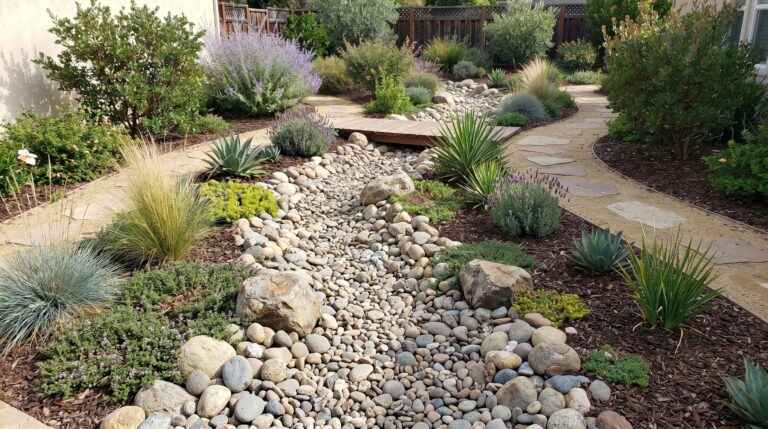
12. Use Gravel or Pebbles
Instead of grass, consider covering some areas with gravel or decorative pebbles.
Grass lawns can make a small garden feel cramped and require maintenance. Gravel, on the other hand, creates a clean, modern look and visually expands the space.
It also works beautifully with stepping stones and potted plants.
13. Create Garden Zones
Dividing a small garden into sections can actually make it feel bigger.
You might have:
- A seating area
- A plant bed
- A decorative corner
Using planters, low hedges, or small fences to separate these zones gives your garden structure and makes it more interesting to explore.
14. Add Lighting for Evening Ambience
Good lighting transforms a garden after sunset.
String lights, solar lanterns, or pathway lights create a warm, welcoming atmosphere. Lighting also highlights plants and design features that might go unnoticed during the day.
Plus, it allows you to enjoy your garden long after the sun goes down.
15. Grow Herbs in a Dedicated Corner
A small herb garden is both practical and beautiful.
Herbs like basil, mint, thyme, rosemary, and parsley thrive in pots or small beds. Their fragrances add an extra sensory element to your garden, and you can harvest them for cooking whenever you like.
A small herb corner near your kitchen door is especially convenient.
16. Include Decorative Garden Art
A small garden doesn’t have to be purely functional—it should reflect your personality too.
Consider adding:
- Sculptures
- Decorative stones
- Mosaic stepping tiles
- Painted plant pots
These artistic touches bring charm and character to your outdoor space.
17. Choose Compact Plants
Plant selection is key in a small garden.
Look for dwarf varieties of shrubs, trees, and flowering plants. These smaller versions offer the same beauty without overwhelming the space.
Examples include dwarf roses, compact hydrangeas, and miniature fruit trees.
18. Keep It Simple and Uncluttered
Finally, one of the most important small garden design tips is restraint.
It’s tempting to add lots of plants, decorations, and furniture, but too many elements can make the space feel crowded.
Choose a few standout features and let them shine. A clean, thoughtful layout will always feel more relaxing and spacious.
Conclusion
Designing a small garden might seem challenging at first, but it’s actually an opportunity to get creative and thoughtful with every detail.
By using vertical space, choosing compact plants, adding layers, and incorporating clever design tricks, you can turn even the smallest outdoor area into a lush and inviting retreat.
Whether you dream of a peaceful reading nook, a colorful flower garden, or a cozy space to entertain friends, these 18 small garden design ideas prove that size doesn’t limit beauty.
Sometimes, the most magical gardens are the smallest ones because every element is chosen with care.
So start with one or two ideas that inspire you, experiment with plants and layout, and watch your tiny garden transform into a space that feels surprisingly big in charm, personality, and life.