

I found out the hard way that not all “damage-free” hanging products are created equal. Three weeks into my last apartment, I heard a crash at 2am and found my hallway mirror — a $60 mirror, mind you — face down on the hardwood with a spiderweb crack across it. I’d used the wrong adhesive strip for the weight. Not a cheap mistake, and not one I made twice.
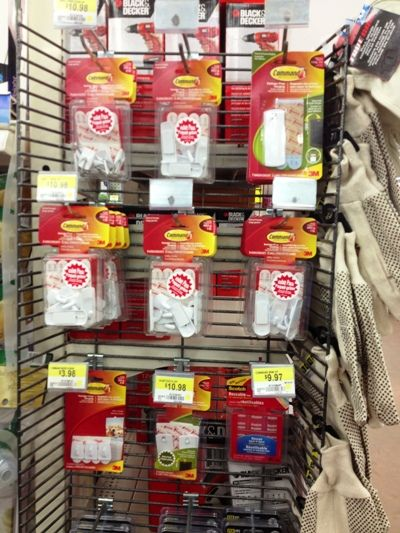
If you’ve ever stood in the Command aisle at Target trying to figure out whether you need the “Small,” “Medium,” or “Large” strips, or whether you should just skip straight to a hook, you’re not alone.
The packaging tells you the weight limit, technically, but it doesn’t tell you the stuff that actually matters — how that number changes based on your wall texture, how long the bond takes to reach full strength, or why two products with the same “holds up to 5 lbs” label can behave completely differently once they’re on your wall for six months.
I’ve hung, re-hung, and occasionally had to spackle over the mistakes of probably 40+ items in rentals over the past six years — command hooks vs adhesive strips has become a genuinely annoying decision I have to make every time I move. So here’s the actual breakdown: what holds more weight, when each one wins, and where I’ve personally seen them fail.
The Short Answer (Then the Real Explanation)
Command hooks generally hold more weight than adhesive strips sold alone, mostly because the hook adds a rigid point of leverage and most hook products use a slightly larger adhesive footprint.
But “more weight” isn’t really the right question. The right question is: is the weight distributed and static, or is it going to move, swing, or get bumped? That distinction matters more than the number on the box.
Command’s own weight-rated lineup, for reference:
- Small hooks: up to 1 lb
- Medium hooks: up to 3 lbs
- Large hooks: up to 5 lbs
- Jumbo/Large Utility hooks: up to 7.5 lbs
- Picture-hanging strips: up to 16 lbs when used in sets
- Heavy-duty mounting strips (the ones for shelves and larger mirrors): up to 15 lbs per pair
That last one surprises people. The mounting strips, used correctly, actually outperform most of the hook line. The trade-off is that strips are meant for flat-backed items — shelves, frames, mirrors with a flush back — not things that hang off a single point and swing.
Command Hooks vs. Adhesive Strips: Side-by-Side
| Command Hooks | Adhesive Strips (standard) | Heavy-Duty Mounting Strips | |
|---|---|---|---|
| Typical weight limit | 1–7.5 lbs | Varies by size, usually under 5 lbs individually | Up to 15 lbs per pair |
| Best for | Bags, keys, towels, string lights, anything hanging off a single point | Small flat items — frames under a few pounds, light decor | Shelves, mirrors, larger frames, anything flush against the wall |
| Removal | Stretch tab, comes off clean if you pull correctly | Stretch tab, but smaller strips tear more easily mid-removal | Stretch tab, needs more patience — long, slow, steady pull |
| Cure time before full weight | 1 hour to hang, but full bond strength takes ~24 hours | Same — 1 hour minimum, 24 hours for full hold | 24 hours minimum, and I’d honestly wait 48 on a heavier piece |
| Cost per use | Around $1–2 per hook, reusable command mount if you buy refill strips | Around $0.50–1 per strip pair | $2–4 per pair, but you’re usually only buying one pair per item |
| Worst-case failure mode | Hook itself can bend or the point can shift under swinging weight | Strip peels from one corner first, then the whole thing lets go at once | Rare if weight-matched, but failure tends to be sudden and total |
The failure mode column is the part nobody talks about. A hook that’s slightly overloaded tends to sag or bend gradually — you get a warning. A strip that’s overloaded, especially the smaller ones, tends to peel from a corner and then release all at once. That’s the difference between “oh, I should fix that soon” and a mirror on your floor at 2am.
Pro tip: whatever weight limit is printed on the package, treat it as the number for a perfectly smooth, primed, painted drywall wall. If your rental has textured walls (orange peel, popcorn, that faux plaster look a lot of older buildings have), knock 20-30% off the stated limit in your head. The strip needs full, flat contact to hit its rated hold, and texture creates tiny air gaps you can’t see.
Why Hooks Tend to Win on Raw Weight
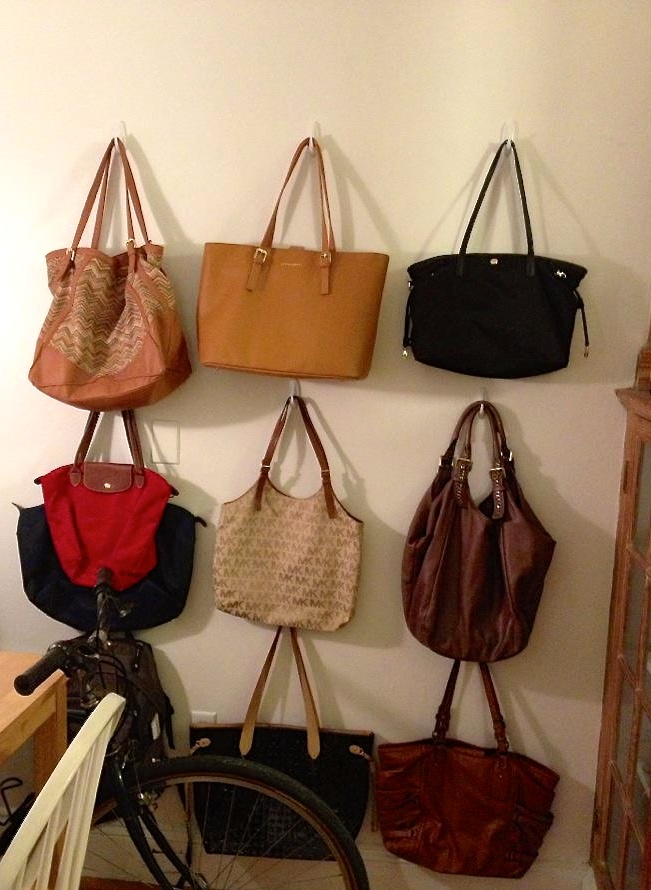
The reason hooks generally out-hold a single strip comes down to leverage and surface area.
A hook mount usually has a larger adhesive backing than a small decorative strip, and the rigid plastic arm distributes the pulling force across that whole backing instead of concentrating it at one point.
When my friend Priya hung a canvas tote full of workout gear on a single small strip instead of a medium hook, it held for about four days before the corner started to peel — she was $6 and one Target run away from just doing it right the first time.
That said, “hooks hold more” isn’t universal.
A flat-backed item like a floating shelf or a large frame doesn’t have anywhere for a hook to attach — the hardware needs full contact with a flush surface, which is exactly what the heavy-duty mounting strips are built for. That’s why my bookshelf ledges are on strips, not hooks, and why my coat rack is a hook, not a strip.
Where Adhesive Strips Actually Make More Sense
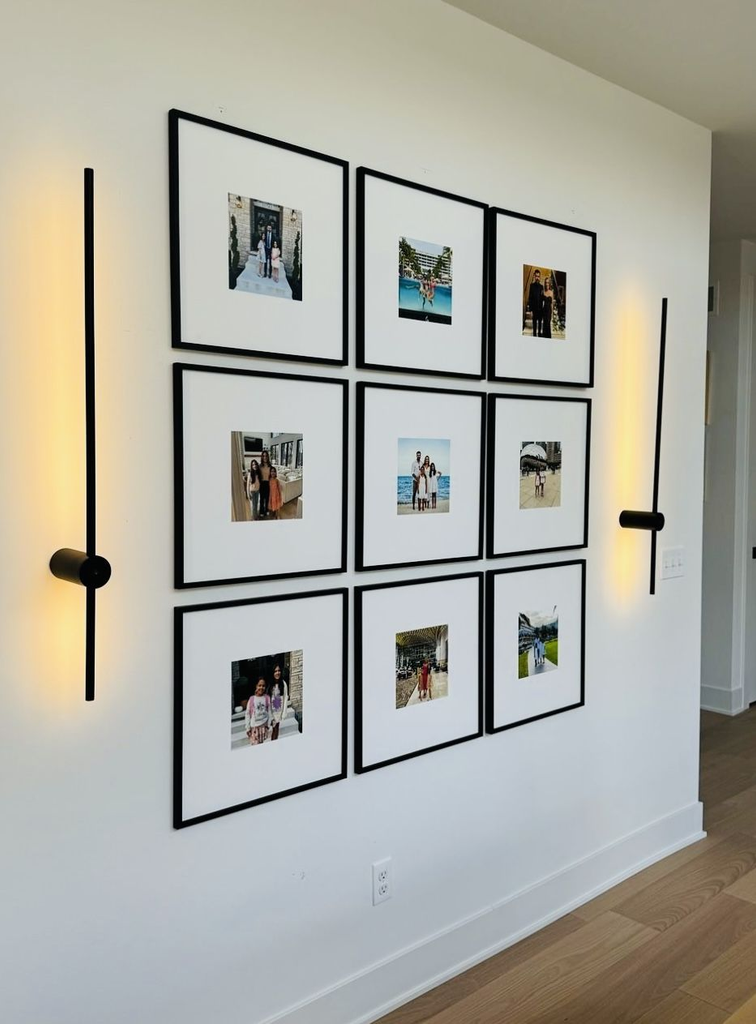
I default to strips over hooks for anything that sits flush against the wall and isn’t going to get grabbed, tugged, or swung. Framed art, small floating shelves, light sconces (the battery-operated kind, not anything wired), and command-strip mirror mounts all fall into this category.
The other case where strips win: anything you’re hanging in a spot where a visible hook would bug you aesthetically.
A lot of the minimalist gallery-wall setups you see saved on Pinterest boards are actually strip-mounted frames, not hooks, specifically because the hook’s little plastic arm shows above smaller frames and ruins the clean line.
Pro tip: if you’re hanging a frame heavier than about 3 lbs on strips, use two full sets — one near each top corner — instead of one set centered at the top. Centered placement concentrates all the pulling force on one point; corner placement splits it, and in my experience that’s the single biggest factor in whether a heavier frame stays up long-term, more than the actual strip size you buy.
Where Hooks Actually Make More Sense

Anything that gets touched, tugged, or moves with use should go on a hook, full stop.
Bath towels, robes, tote bags, keys by the door, string lights you’re going to unplug and replug — all of that involves repeated force in a direction the item wasn’t originally hung, and strips don’t handle that kind of shifting load well even when the static weight is technically within range.
I made this mistake with a set of string lights over my bed frame — used strips because I didn’t want visible hooks, and within two weeks of nightly on/off tugging at the plug, one strip let go and the whole string sagged into a droopy diagonal line across my headboard. Switched to the small clear hooks, same lights, zero problems since, going on eight months now.
What This Actually Costs You
Neither option is expensive individually, but it adds up if you’re outfitting a full apartment or a dorm room. Rough numbers based on what I’ve spent moving into three different rentals:
- A studio apartment’s worth of hooks and strips (entryway, bathroom towel bar alternative, a few frames, kitchen utensils) runs somewhere between $35–55 depending on how many surfaces you’re covering.
- Buying the variety pack (Command sells a mixed multi-size pack) is almost always cheaper per-unit than buying single packages of each size separately — usually saves you 15-20%.
- Refill strips for hooks are the better long-term buy if you’re a frequent mover. The plastic hook itself is reusable; you’re really just replacing the adhesive backing each time, which costs less than buying a whole new hook.
The one place I’d never cheap out is anything holding glass — mirrors, framed art with glass fronts, anything that shatters. Buy one size up from what the weight chart tells you to buy. It costs an extra dollar or two and it’s the difference between a wobble and a dustpan situation.
What I’d Actually Do If I Were Starting Over
If I were furnishing a new place from scratch tomorrow, I’d buy the Command variety multi-pack for anything light and decorative, a few of the Large and Jumbo hooks specifically for the entryway and bathroom, and a couple sets of the heavy-duty mounting strips reserved just for the mirror and one floating shelf.
I wouldn’t buy a single small decorative strip for anything I plan on touching daily — that’s the one category where I’ve had actual failures, every time.
The weight limit on the box is a starting point, not a guarantee. Wall texture, how often you touch the item, and whether the weight is static or shifting matter just as much as the number printed on the package.
Match the product to how the item actually behaves on your wall, not just what it weighs, and you’ll skip the 2am crash I had to learn from.

Leave a Reply