

I lived in the same 620-square-foot one-bedroom for four years before I bought anything permanent-looking, and for the first year of that lease, my apartment looked like a Craigslist ad.
Beige walls, builder-grade brass hardware, a popcorn ceiling I was not legally allowed to touch, and a landlord who once made me repaint an entire wall because I’d used the “wrong white” for a touch-up.
If you’ve ever stood in a rental trying to figure out how to make it feel like yours without losing your security deposit, I’ve been exactly there.
The good news is that rental-friendly decorating has genuinely gotten better in the last few years — better adhesives, better products, more options that don’t scream “temporary.” The bad news is that most lists of rental decorating ideas repeat the same five tips (command strips, plants, throw pillows) like that’s a complete answer.
It isn’t. So this is the longer version: 30 ideas that actually change how a rental looks and feels, organized by the part of your space they touch, with real costs and the mistakes I or people I know made getting there.
A quick note before we start: “removable” and “damage-free” are not always the same thing. Some of these ideas are 100% deposit-safe. A few carry small risk depending on your walls, and I’ll flag those so you can decide what you’re comfortable with.
Walls Without Paint (or With Landlord-Approved Paint)
Walls are the biggest visual surface in any room, and they’re usually the first thing that makes a rental look like a rental — that flat, slightly yellowed “builder white” that’s on every wall in every unit in the building.
1. Removable wallpaper on one accent wall.
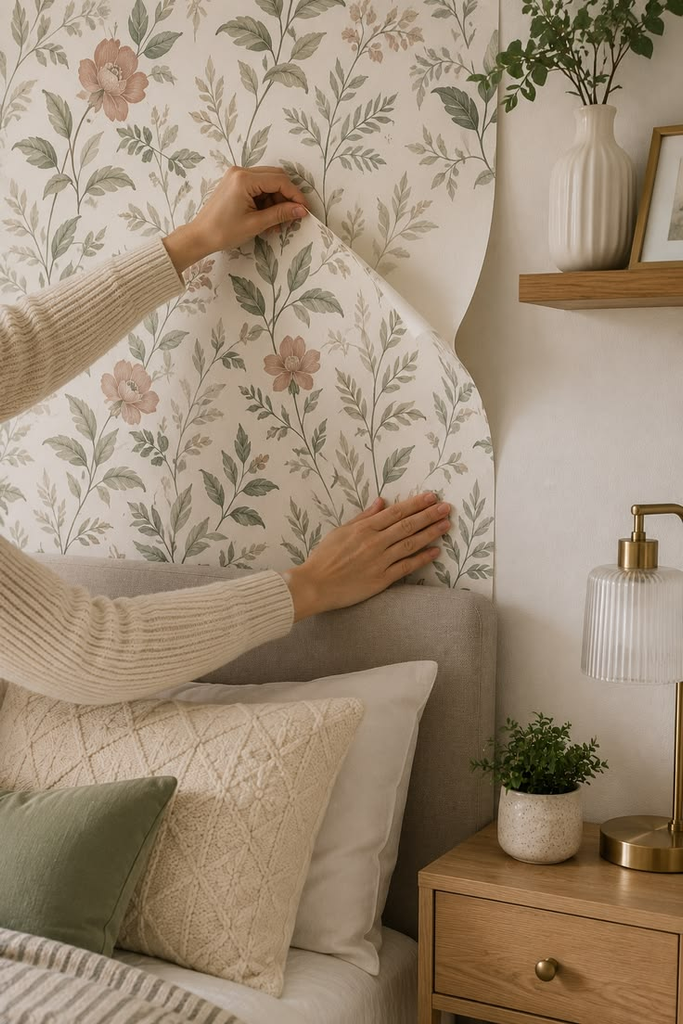
This is the single highest-impact, lowest-effort change on this whole list. I did the entryway wall in my old apartment with a grasscloth-look peel-and-stick from Spoonflower and it took me about two hours including three “wait, is this crooked” panic moments.
Brands like Tempaper, Chasing Paper, and Spoonflower all make genuinely nice removable options now — this isn’t the shiny, obviously-fake wallpaper from ten years ago.
Pro tip: Test a small piece on your actual wall for 48 hours before committing. Some older plaster walls in pre-war buildings pull paint off with the paper when you remove it, even with “removable” products.
My friend Priya found this out the hard way in her Chicago two-flat and had to pay for a partial repaint.
2. Peel-and-stick faux tile for a bathroom or kitchen backsplash.
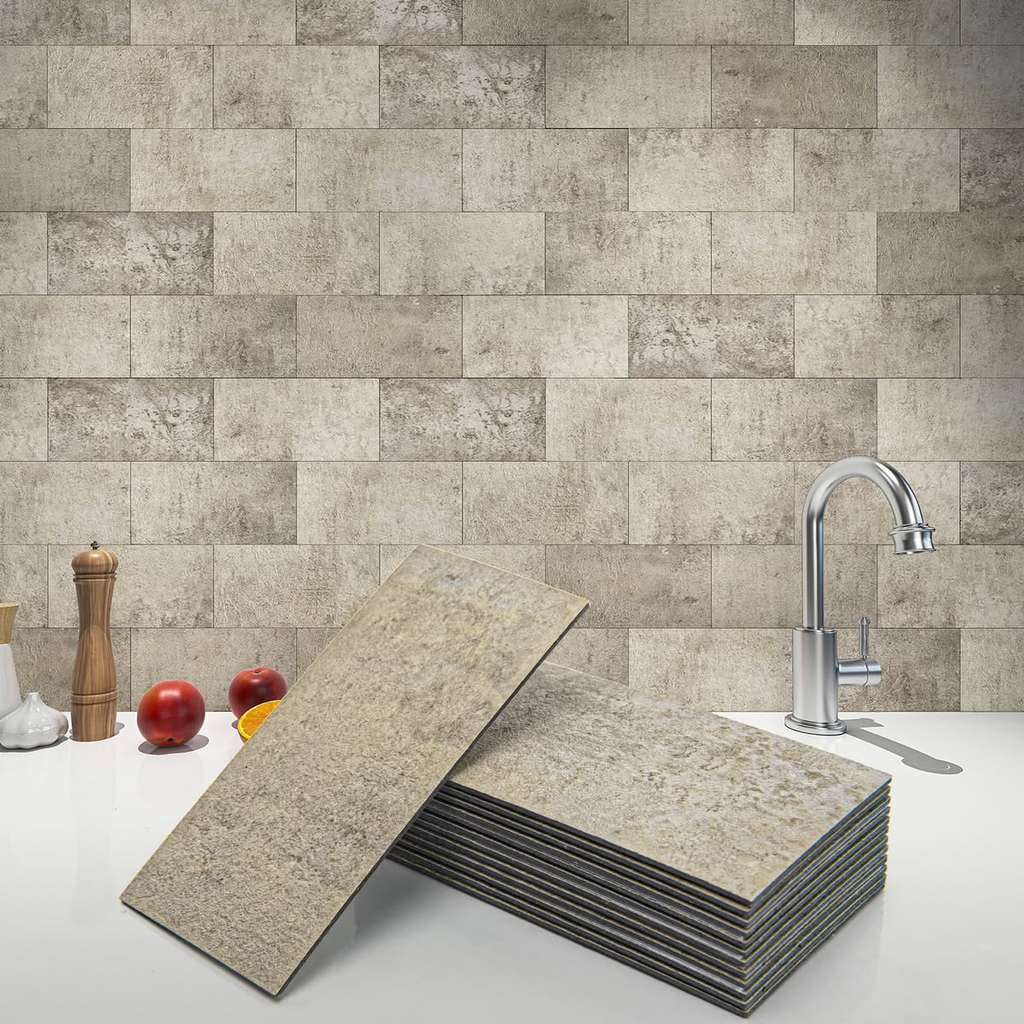
This is different from wallpaper — it’s a thicker, textured vinyl made to look like subway tile, zellige, or marble. It genuinely reads as tile from a few feet away, and it survives cooking splatter and steam far better than paper products.
3. Landlord-approved paint, if you can get it.
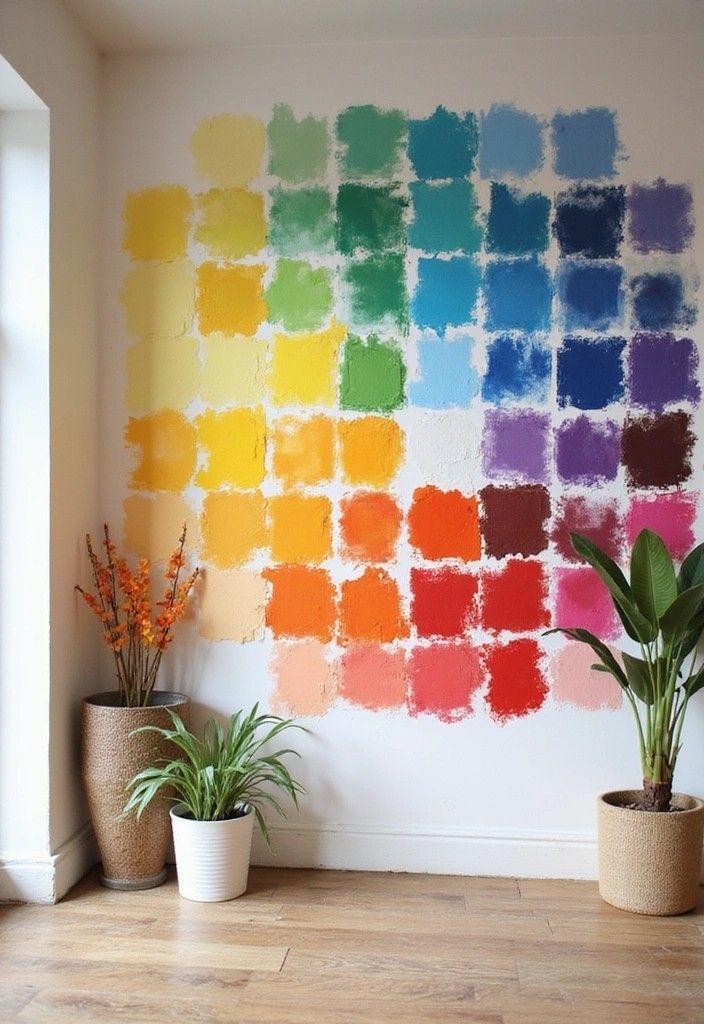
Some leases allow paint as long as you return it to the original color before move-out. If yours does, this beats every peel-and-stick option for durability and cost per square foot. Buy the exact “builder white” your landlord uses (ask the property manager for the brand/code — most keep records) so move-out repainting is a non-issue.
4. Washi tape or painter’s tape geometric patterns.
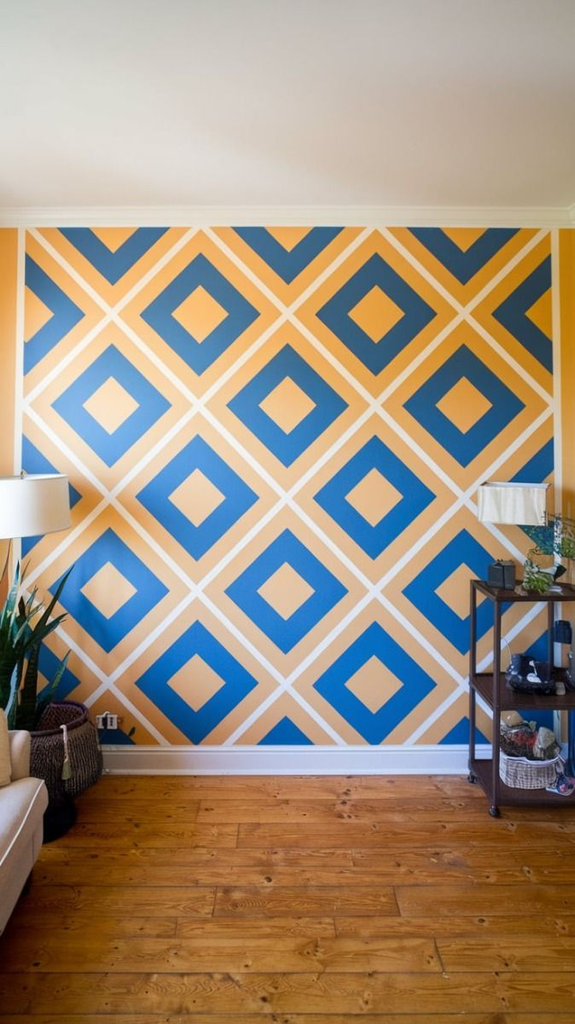
Genuinely underrated. A simple diagonal-stripe or grid pattern in one or two colors on a single wall, done with 1-inch tape, looks intentional and modern, and it comes off clean. This is the cheapest idea on the entire list — under $15.
5. Fabric wall panels using tension rods.
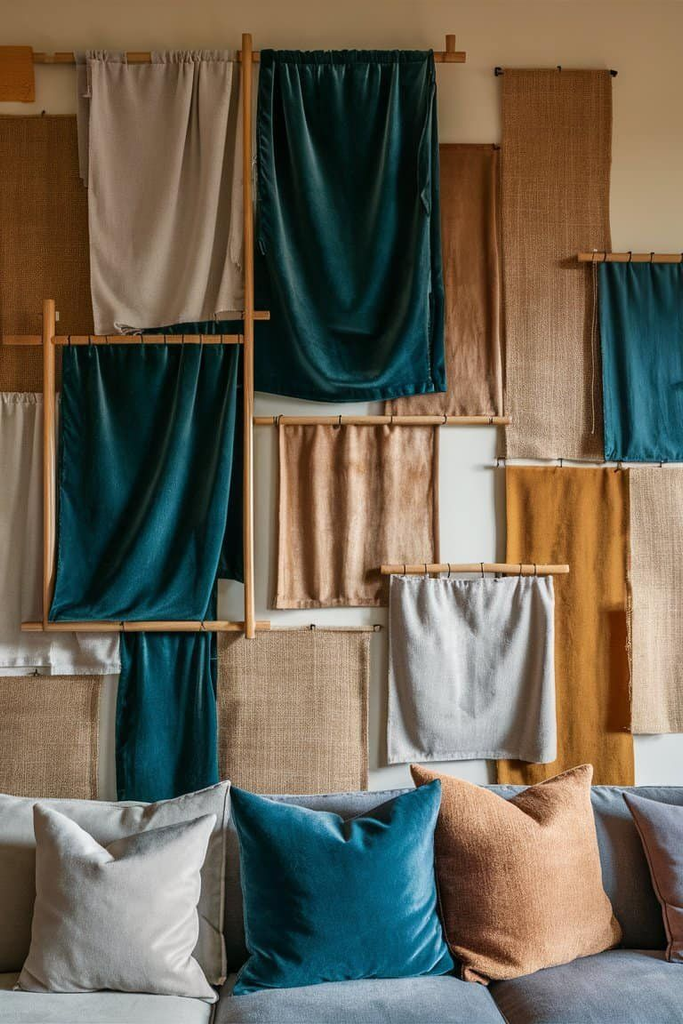
Mount a tension rod at the top and bottom of a wall section and stretch fabric between them. No holes, and you can pick genuinely expensive-looking fabric (I like linen-blend from a fabric store remnant bin) for way less than a comparable removable wallpaper roll.
Lighting That Doesn’t Look Like a Rental Fixture
If there’s one thing that instantly signals “rental” to me, it’s a boob light — that flush-mount frosted glass dome in the middle of every ceiling. Swapping it is one of the most effective changes you can make, and it’s more doable than most renters realize.
6. Swap the flush-mount fixture (and keep the original in a box).
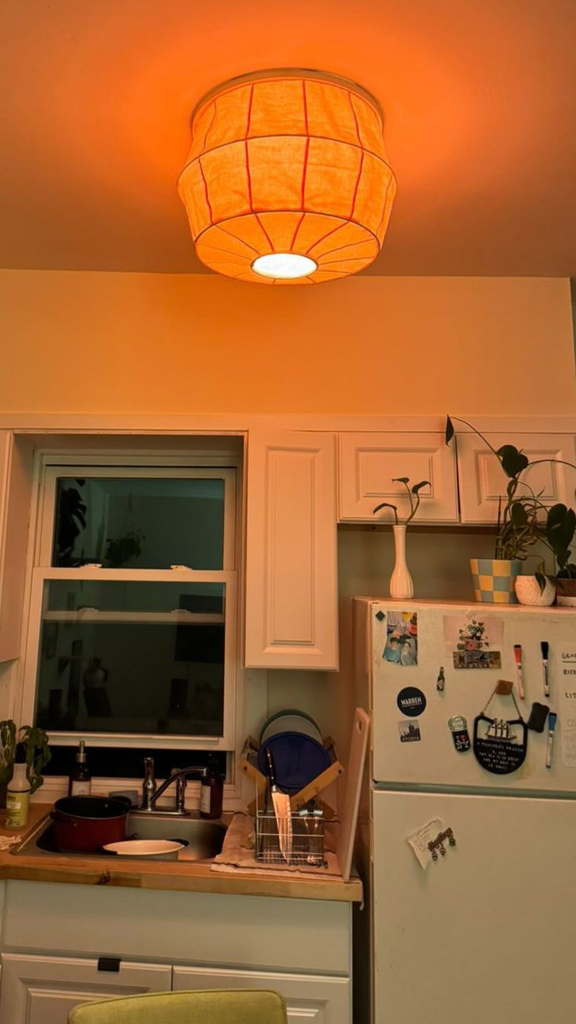
Most flush-mounts are held on by two screws into a mounting bracket that stays put — you’re not touching wiring, just unscrewing the old shade and screwing on a new one. Keep the original fixture in a labeled box in your closet and swap it back before you move out. This took me about 20 minutes per room and genuinely changed how my whole apartment felt.
7. Plug-in wall sconces.
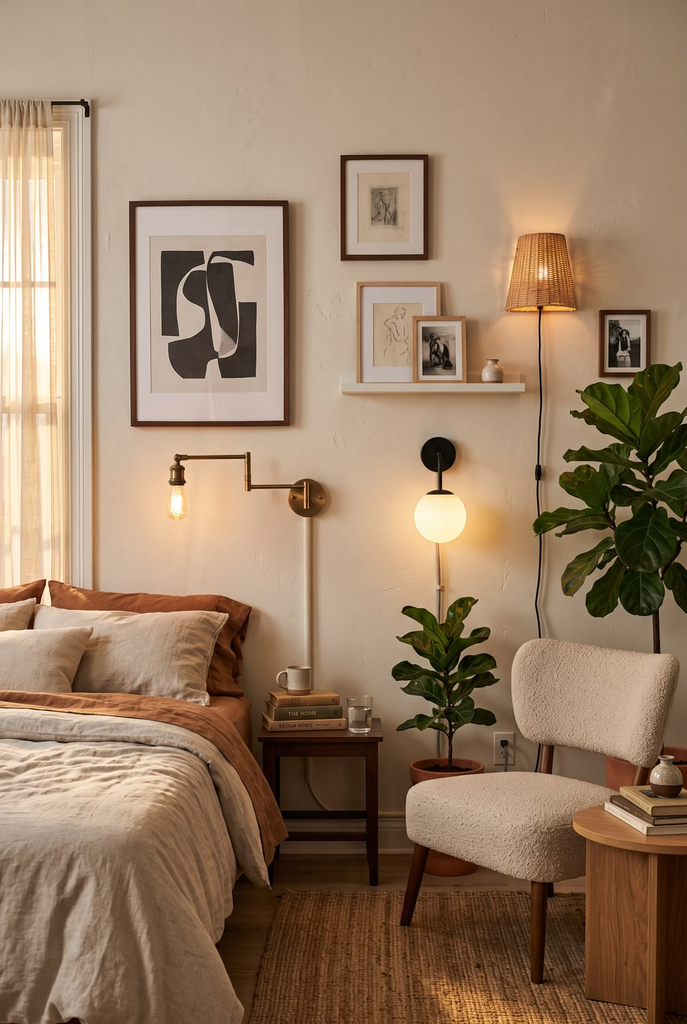
These mount to the wall (small screws, patchable holes, or a strong adhesive mount) but plug into a regular outlet instead of hardwiring, and you can run the cord along the wall using cord clips or a cord cover that matches your wall color so it disappears.
8. Layer in lamps at three different heights.
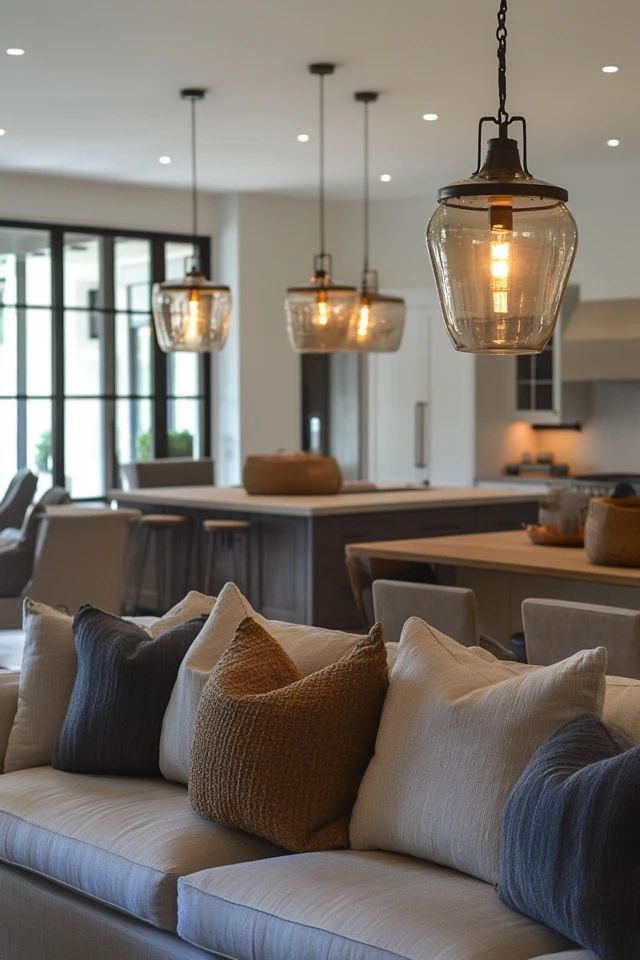
One overhead light in a room reads as “rental.” A floor lamp, a table lamp, and something lower like a small accent lamp reads as “someone thought about this room.” This costs nothing but rearranging what you already own, or $30-$60 per lamp if you’re starting from scratch.
9. Warm bulbs, always.
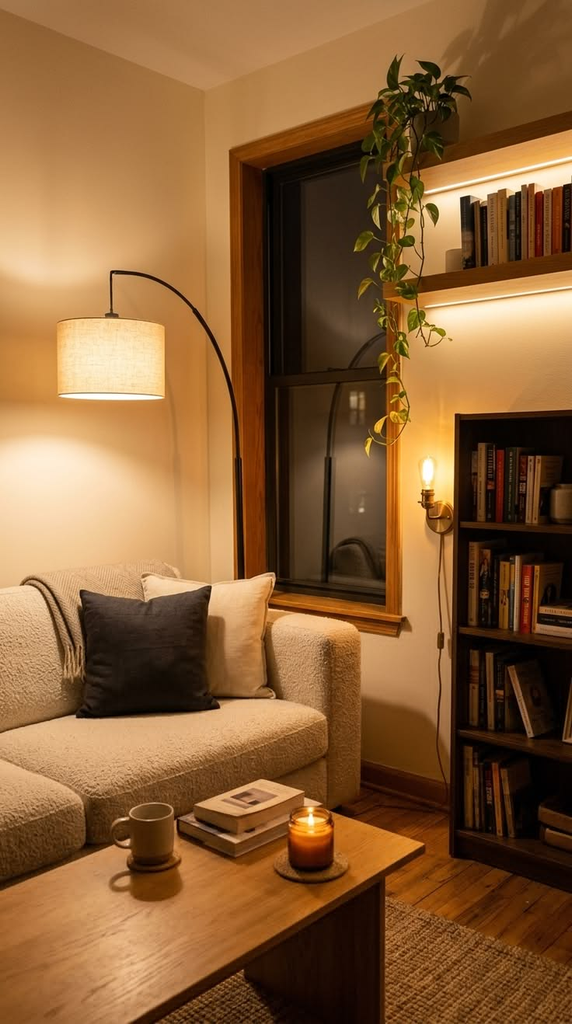
Swap every bulb in your apartment to 2700K-3000K warm white. Cool white (4000K+) is what makes rentals feel clinical and cheap no matter how nice the fixture is. This is a five-dollar fix that changes the entire mood of a room.
Hardware and Small Fixtures
10. Cabinet and drawer pulls.
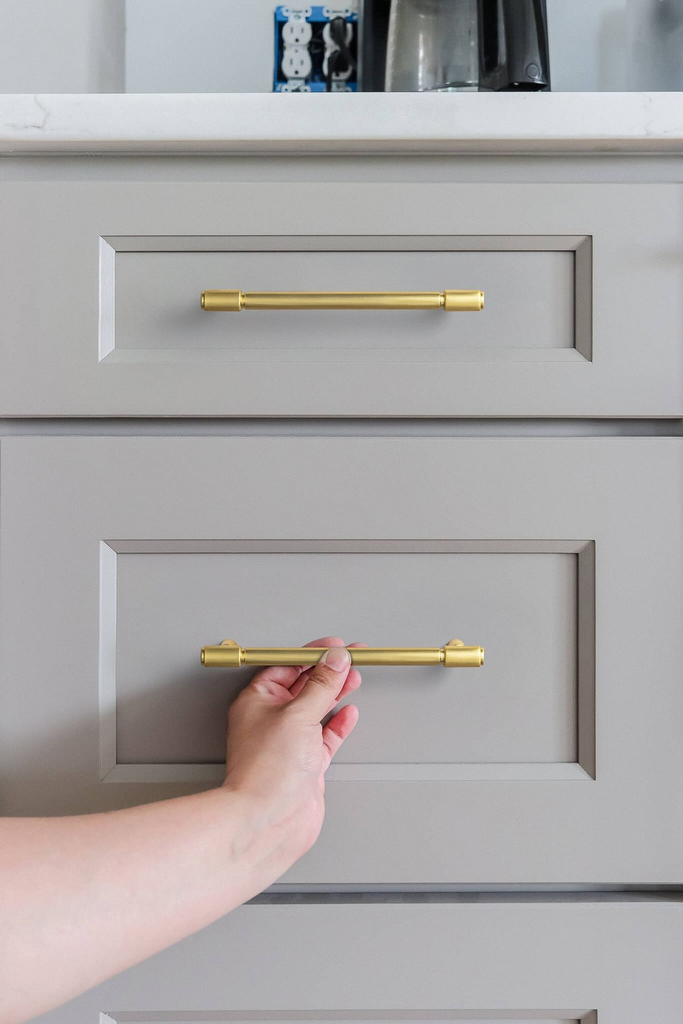
Unscrew the builder-grade knobs, keep them in a labeled bag taped inside a cabinet, and put up something with actual weight and finish — unlacquered brass, matte black, or fluted ceramic. This is maybe $80-$150 for a full kitchen and is consistently the highest “wait, did you renovate?” comment I get from people who visit.
11. A new showerhead.
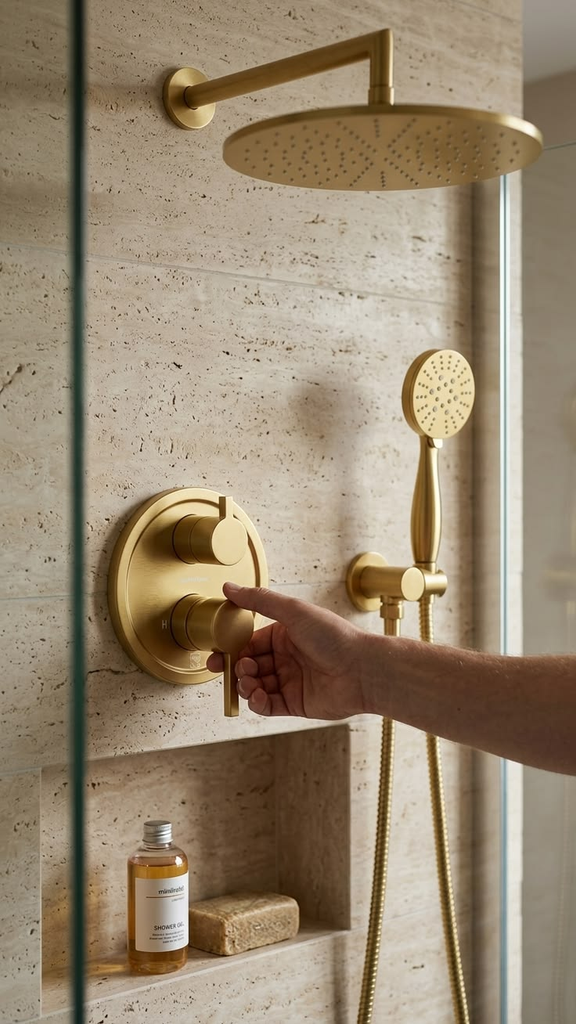
Rental showerheads are almost always the cheapest plastic option available. A metal, wide-rainfall showerhead is a five-minute wrench swap, costs $25-$60, and makes a bathroom feel like a hotel instead of a dorm.
12. Faucet aerators and a better sink sprayer.
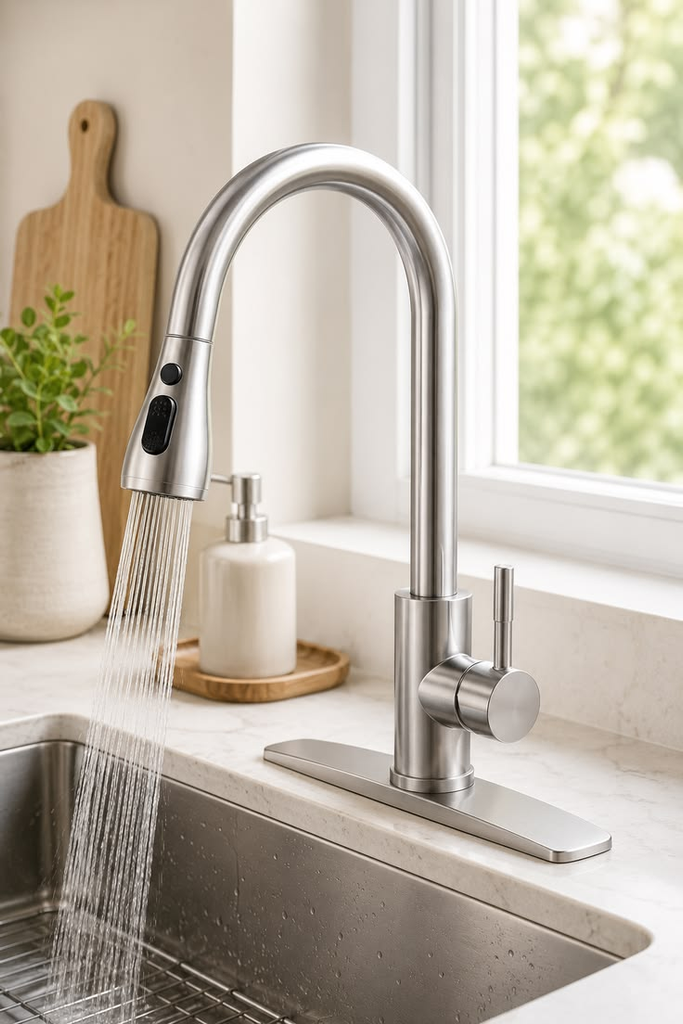
Smaller change, but a chrome or matte black upgrade on kitchen and bathroom faucets is cheap, tool-free in most cases, and adds up with the other hardware swaps.
13. Light switch and outlet covers.
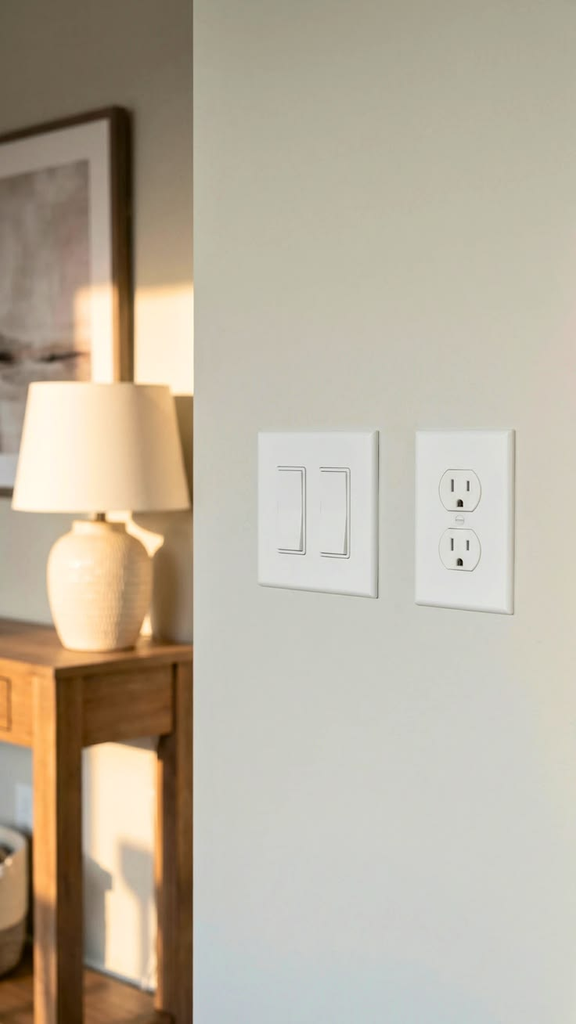
Genuinely the most overlooked item on this list. Scratched, yellowed plastic switch plates are everywhere in rentals and nobody notices until you replace them — then everyone notices. Screwdriver, $2-$4 per plate.
Quick Cost Comparison: Where to Spend vs. Where to Save
| Upgrade | Approx. Cost | Impact | Worth It? |
|---|---|---|---|
| Cabinet/drawer pulls (full kitchen) | $80–150 | Very high | Yes — do this first |
| Removable wallpaper (1 accent wall) | $60–120 | Very high | Yes |
| Light fixture swap (per room) | $40–90 | High | Yes, if lease allows |
| Peel-and-stick backsplash | $40–80 | Medium-high | Yes, for kitchens/baths |
| New showerhead | $25–60 | Medium | Yes, easy win |
| Washi tape wall pattern | $10–15 | Medium | Yes, cheapest option here |
| Full furniture replacement | $500+ | Medium | Only if current pieces are truly worn out |
Pro tip: Do hardware and lighting before wallpaper. It’s cheaper, it’s completely reversible, and it tells you fast whether you actually like a “renovated” look before you commit to anything bigger.
Window Treatments That Don’t Look Like Mini-Blinds
14. Tension-rod curtains, hung high and wide.
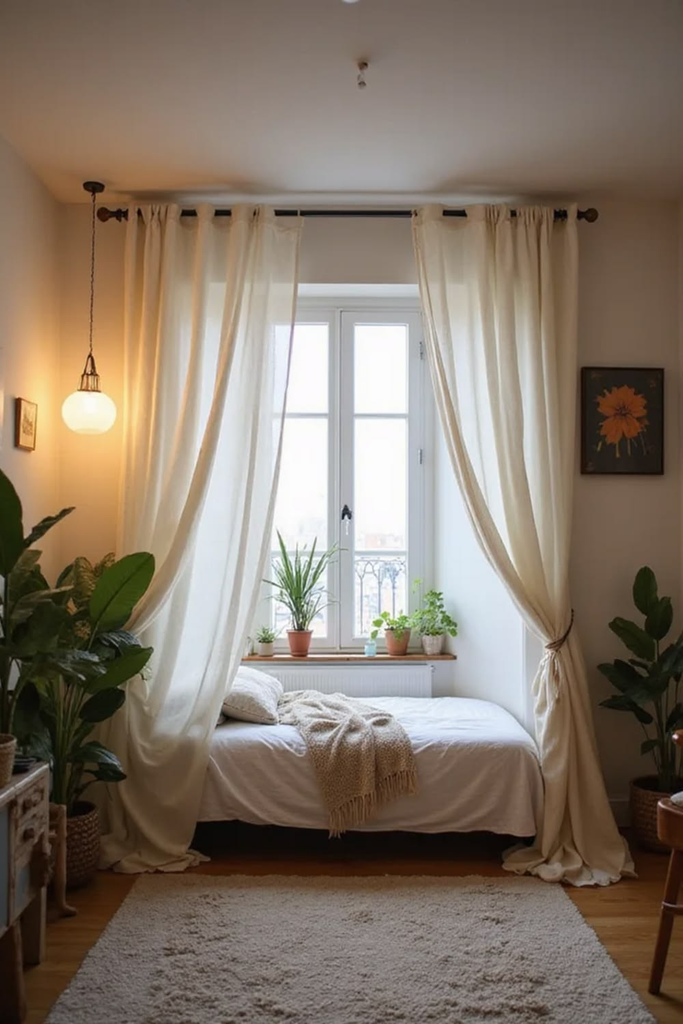
This is a classic tip for a reason, but people undersell how much it matters to hang the rod several inches above the window frame and a few inches past it on each side — it makes the ceiling read taller and the window read bigger. Standard curtain length should just kiss the floor, not hover awkwardly above it.
15. Roman shades with a no-drill tension mount.
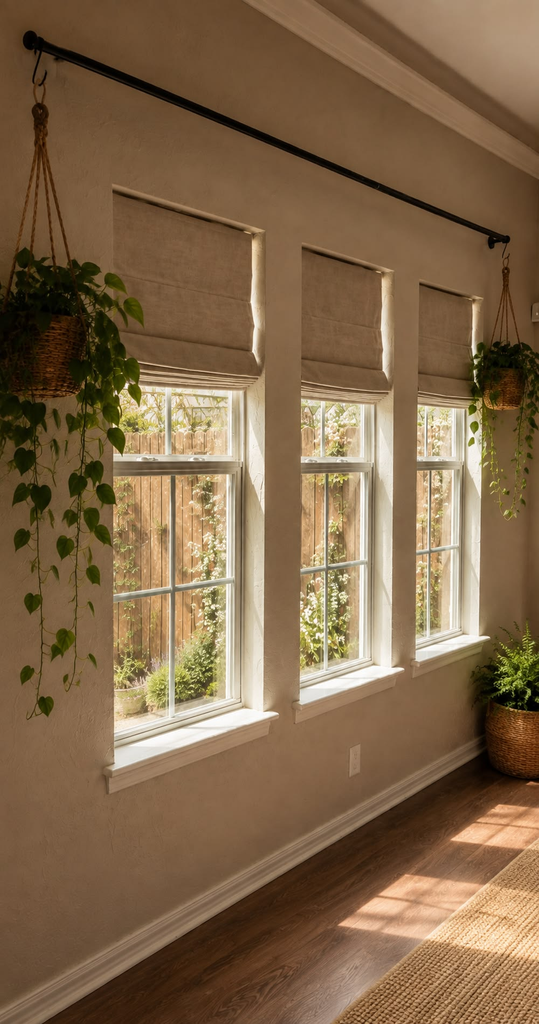
Companies like The Shade Store and Blinds.com now sell cordless, tension-mounted Roman shades designed for rentals — no holes, and they look considerably more expensive than the mini-blinds that came with your unit.
16. Keep the mini-blinds, add curtains on top.
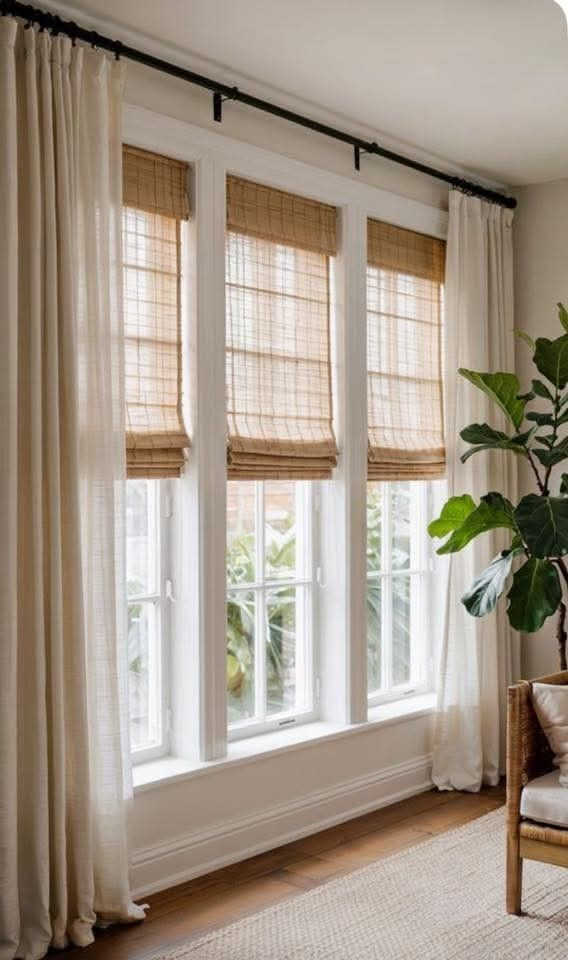
If you can’t remove the existing blinds, don’t fight it — layer curtains over them. It hides the blinds almost entirely from a normal sightline and gives you the softness a rental usually lacks.
Flooring, Without Refinishing Anything
17. A large area rug — bigger than you think you need.
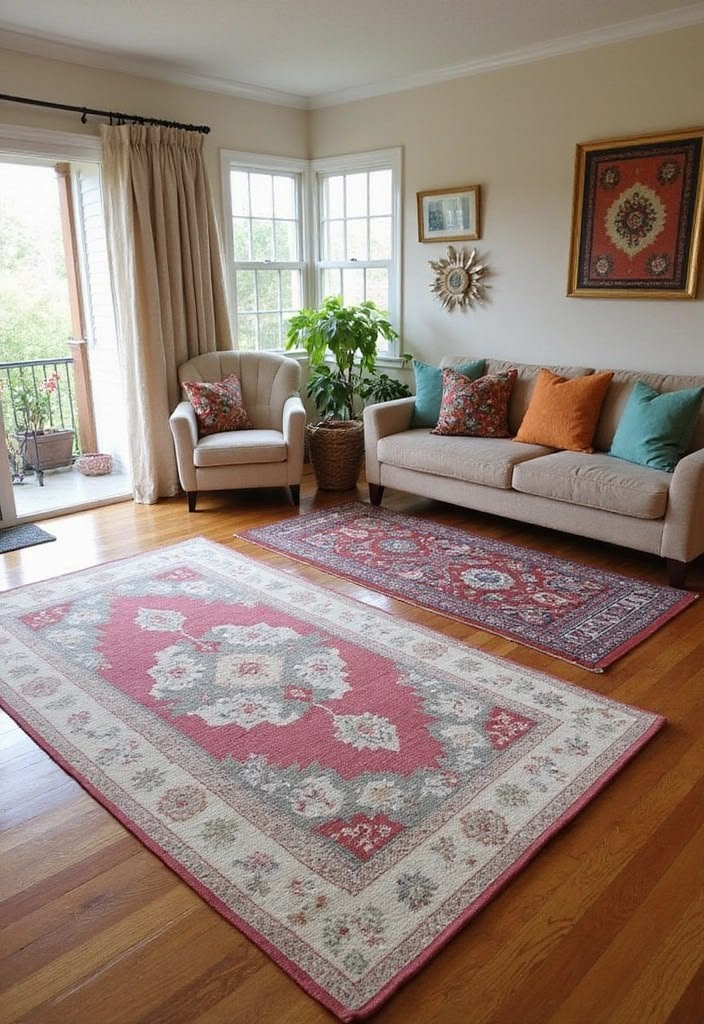
The single most common rug mistake is buying one too small, which makes a room look like a rental with an afterthought on the floor. Furniture legs should sit at least partially on the rug. For a living room, that usually means an 8×10 minimum, even in a smaller apartment.
18. Peel-and-stick vinyl plank over ugly rental flooring.
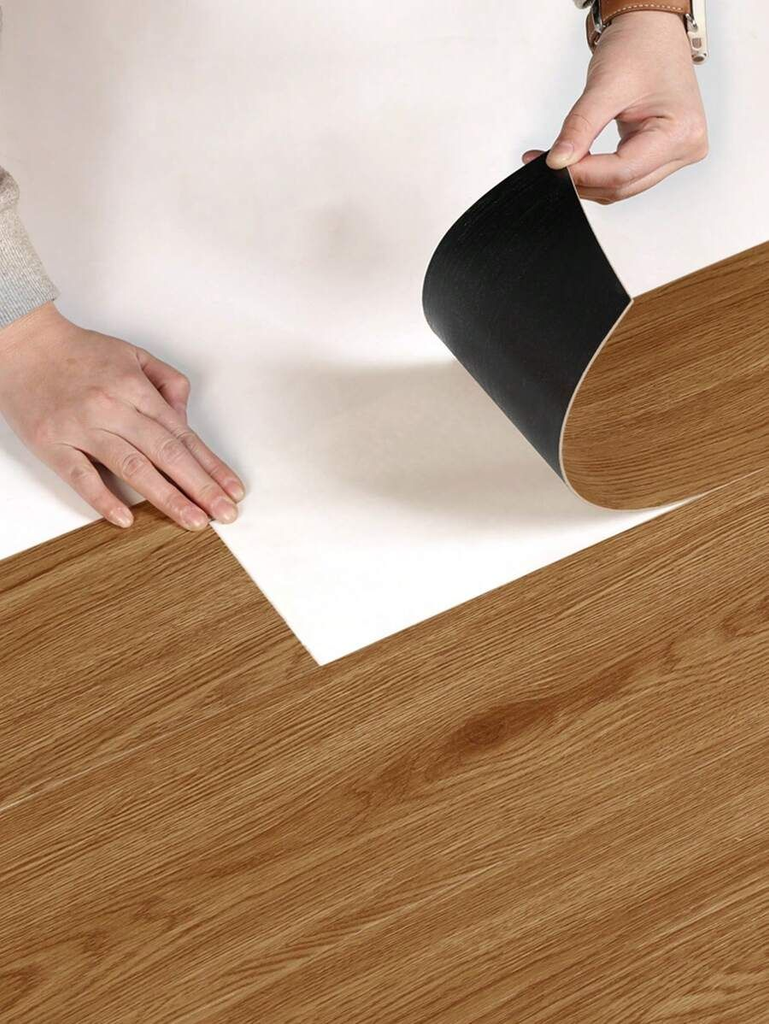
This is one of the riskier items on the list — it works beautifully over old vinyl, laminate, or even some tile, but check your lease first, and always do it over a layer of removable adhesive or leave a perimeter gap so it lifts clean.
19. A stair runner or hallway runner, even in a small apartment.
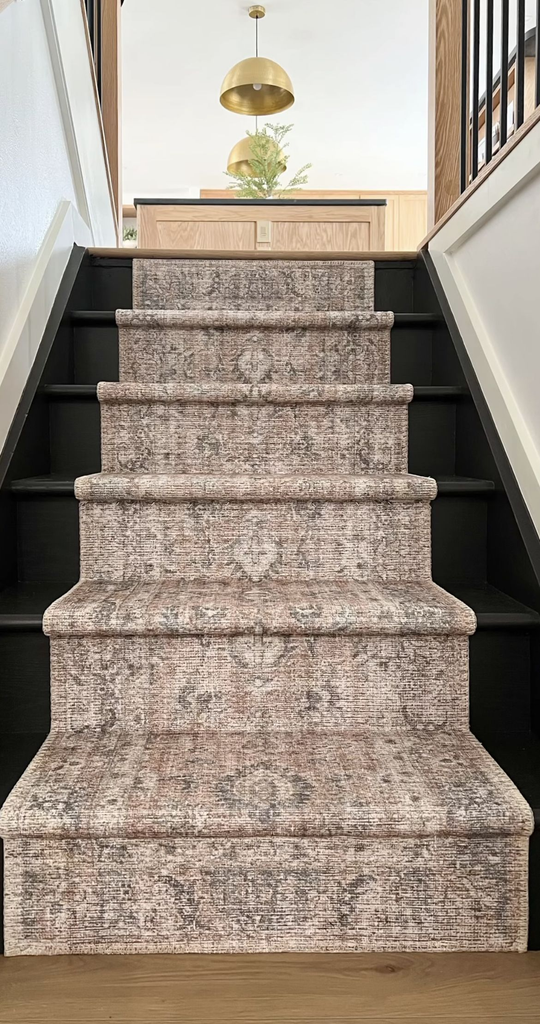
If you have any stretch of hard flooring — a hallway, an entry — a runner does a disproportionate amount of visual work for not much money.
Kitchen Upgrades That Don’t Involve a Contractor
20. Open shelving using an existing upper cabinet.
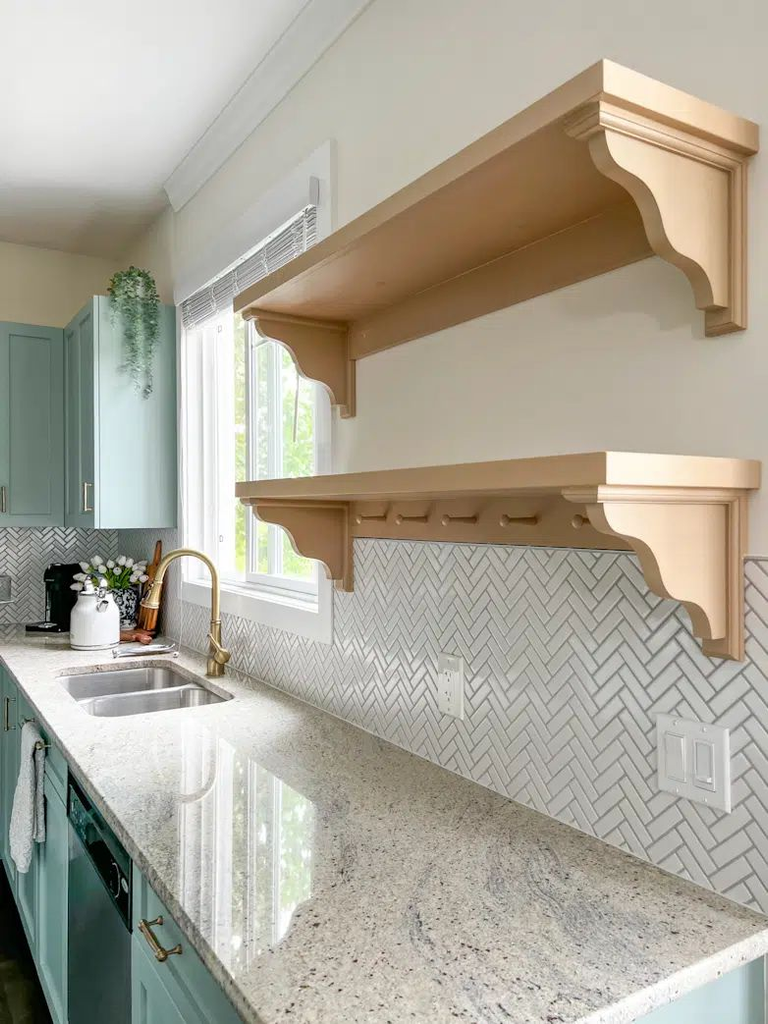
Remove one cabinet door (keep the door and hinges in your storage box) and style the open shelf with a few pieces of nice dinnerware. This is a trend that’s genuinely earned its popularity — it breaks up a wall of flat cabinet doors for free.
21. A furniture-grade island or cart on wheels.
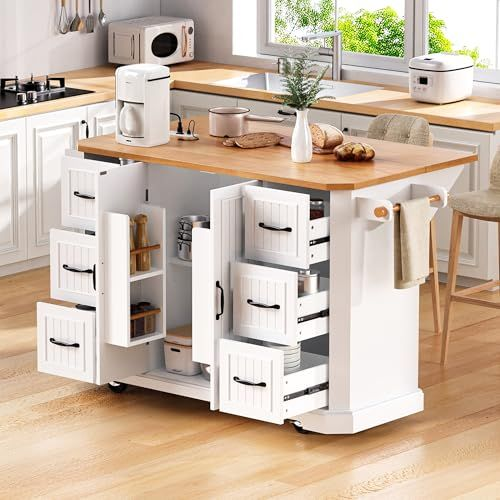
If your kitchen has floor space but no island, a rolling butcher-block cart does double duty as counter space and storage, and it’s the kind of thing that photographs like a real renovation.
22. Under-cabinet lighting, battery or plug-in.
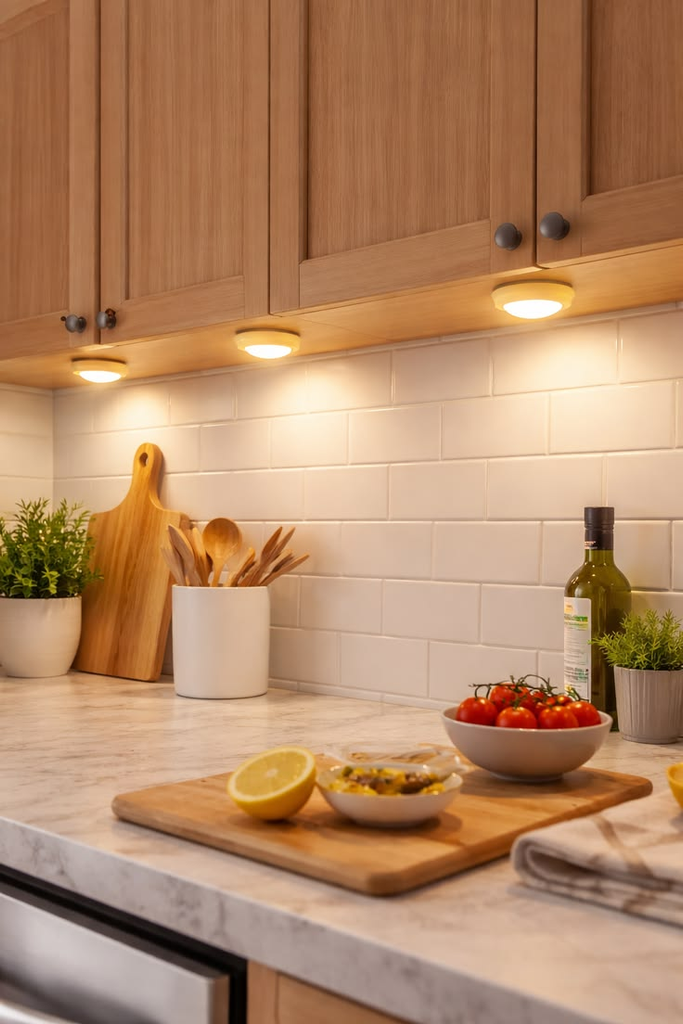
LED puck lights with adhesive backing under your upper cabinets solve the “why is my counter so dark” problem that almost every rental kitchen has, and they take about 15 minutes to install with zero tools.
23. Replace the fridge magnets and mail pile with a proper landing zone.
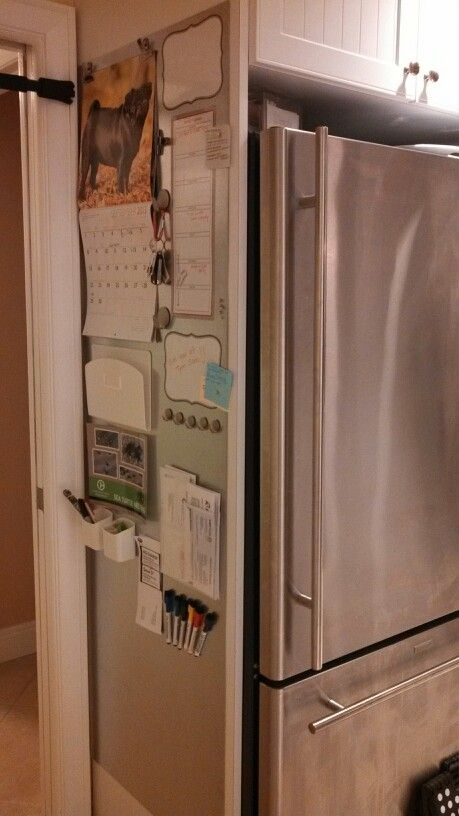
A small tray, a hook rack, and a designated spot for mail sounds unrelated to “decorating,” but a cluttered kitchen counter undoes every other upgrade on this list. I didn’t believe this until I actually did it.
Bathroom Fixes People Skip
24. A wood or bamboo bath mat instead of the standard cotton one.
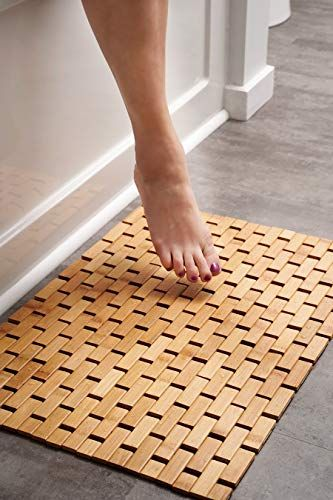
Small swap, disproportionate effect — it’s the kind of detail that makes a bathroom look styled instead of stocked.
25. Replace the mirror, if it’s just hung on a hook or clips.
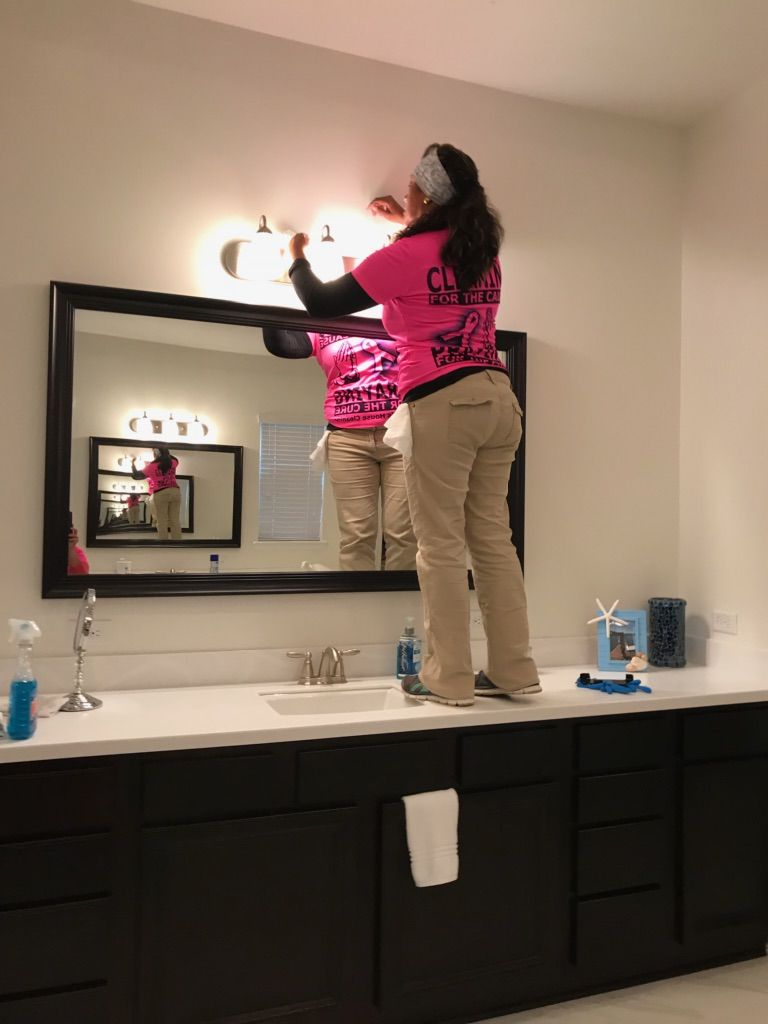
Plenty of rental bathroom mirrors are simply clipped to the wall over the medicine cabinet. If yours is, a framed mirror in the same rough size is a straightforward swap.
26. A shower curtain that’s actually long enough, plus a curved rod.
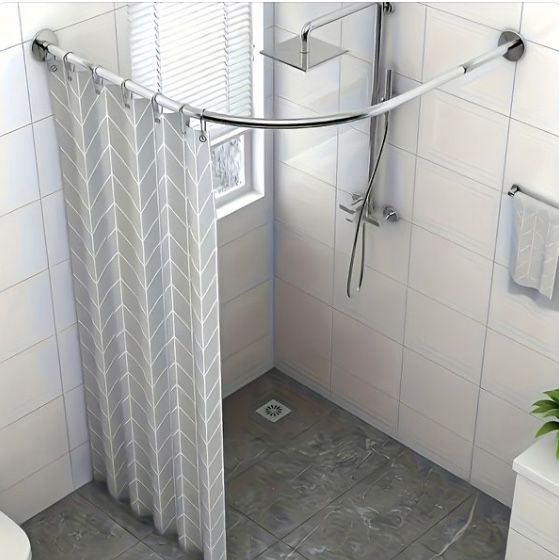
Standard 72-inch shower curtains stop short of the floor in most tub setups, which reads as small and cheap. Go 84-inch and add a curved rod (tension-mount, no drilling) for extra shower space and a much better proportion.
Pro tip: This is the fix nobody talks about, and it’s maybe the best value-to-effort ratio on this entire list. A curved rod is under $20 and instantly makes a standard tub-shower look like it belongs in a nicer building.
Small Space and Outdoor Extras
27. A balcony rug and café string lights, both easily removed.
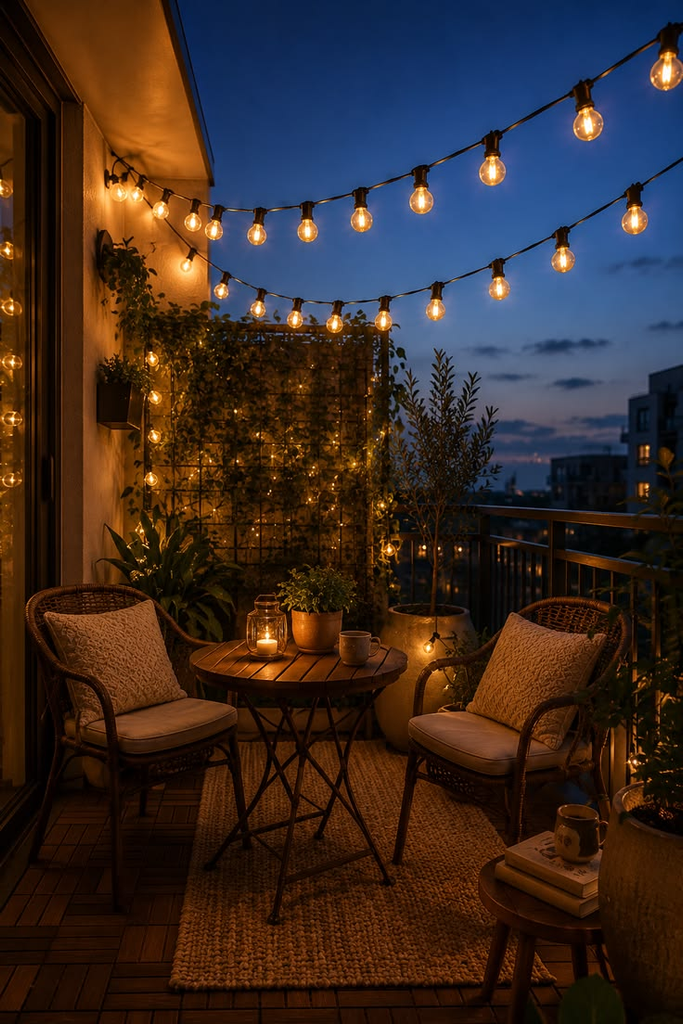
If you have any outdoor space, even a Juliet balcony, an outdoor-rated rug and warm string lights turn it into an actual room instead of storage for a bike.
28. Furniture risers under a bed or sofa.
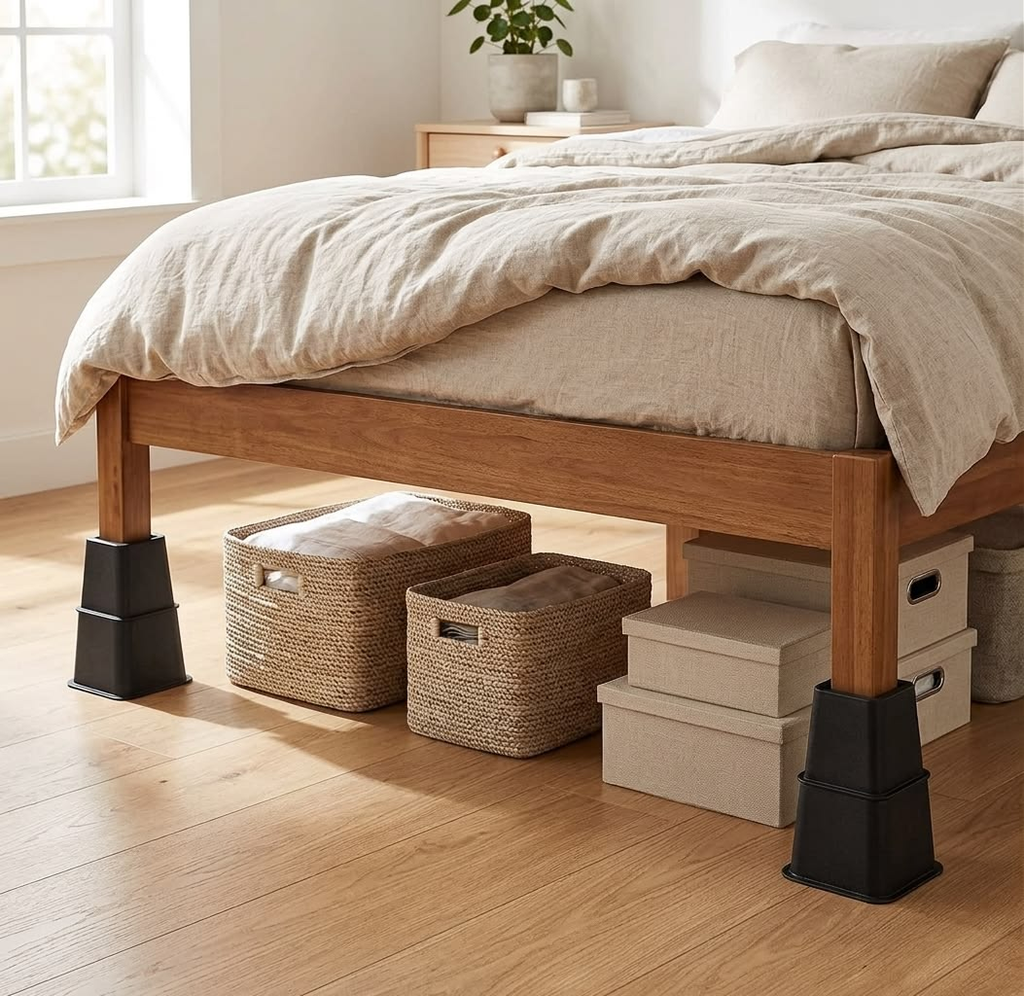
Raising furniture even two inches makes a small room read as larger because you can see floor underneath it. This sounds minor and makes a noticeably bigger difference than you’d expect for $15.
29. A large mirror leaned, not hung, against a wall.
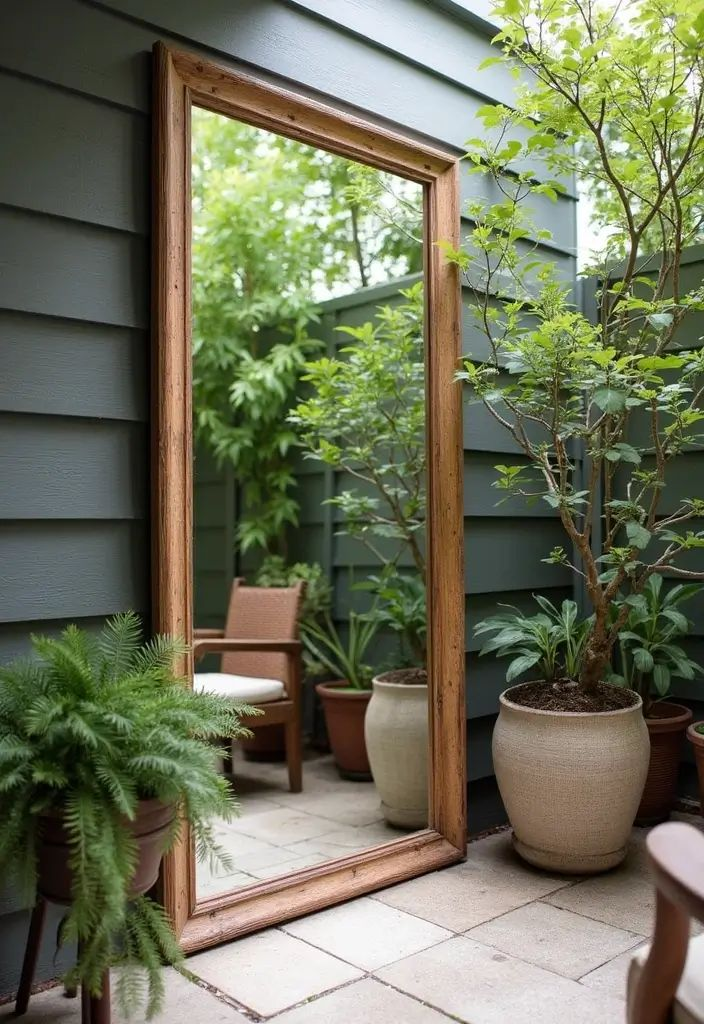
This avoids any wall damage entirely, bounces light around a small room, and has the added benefit of looking like an intentional styling choice rather than a rental workaround — leaning mirrors are genuinely a designer move, not just a renter one.
30. Fresh, real greenery — not just one sad pothos by the window.
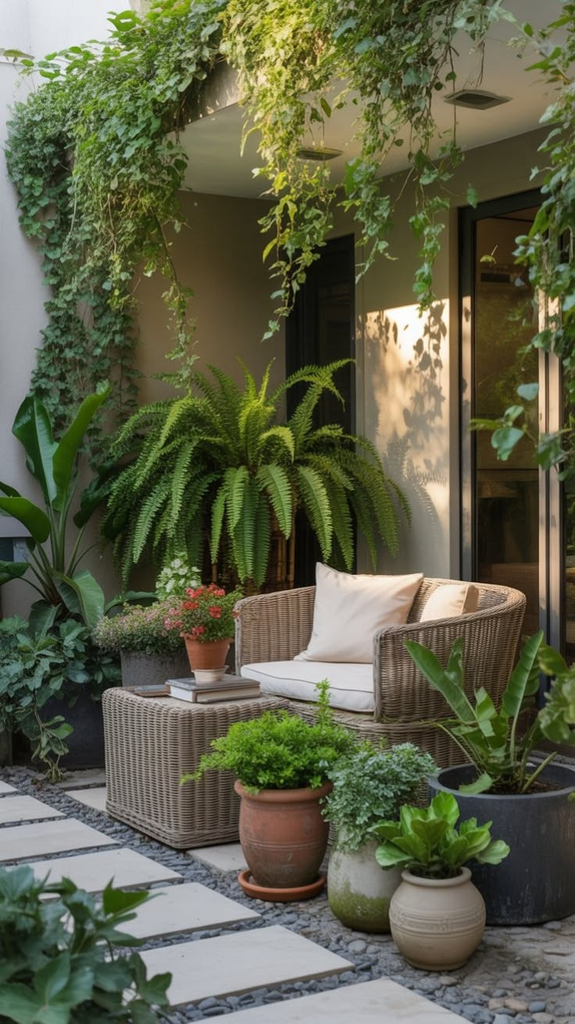
One plant reads as an afterthought. A cluster of three, at different heights, on a shelf or in a corner, reads as styled. If you’ve killed every plant you’ve owned (no judgment, same), start with a snake plant or a ZZ plant — they’re nearly impossible to kill and don’t need direct light.
Where I’d Start If I Were Doing This Again
If I were moving into a new rental tomorrow and had to pick just five of these, I’d do hardware swaps first, then bulbs, then one removable wallpaper wall, then curtains hung high and wide, and then the shower curtain and rod. That combination costs under $300 total and touches almost every room without requiring a single weekend of real work.
The thing I’d tell my past self, standing in that beige apartment four years ago: you don’t need to do all 30 of these, and you definitely don’t need to do them at once. Pick the two or three that bother you most every single day — for me it was the boob light and the cabinet knobs — and start there. The rest can wait until your next paycheck, your next free Saturday, or your next lease renewal.

Leave a Reply