

I bought a $140 closet system before I ever got rid of a single sweater I didn’t wear.
That’s not a joke — I measured the closet, ordered the shelves, installed the whole thing over a weekend, and then stood there trying to fit six years of clothing I didn’t even like into it. It looked worse than the wire shelf I’d ripped out.
I ended up returning about a third of the system two weeks later because I simply didn’t need that much storage once I actually dealt with what was in there.
That’s the thing nobody tells you about apartment organizing content: the pretty bins and the labeled baskets are step two.
Step one is deciding what’s actually allowed to live in your apartment in the first place, and skipping it is why so many “organized” apartments look great for about six weeks and then quietly fall apart again.
If you’re about to organize your apartment — whether that’s a 400-square-foot studio or a two-bedroom you’re finally unpacking — decluttering first isn’t a nice-to-have.
It’s the part that determines whether any of the organizing actually holds. Here’s how I’d do it if I were starting from scratch, including the parts I got wrong the first time.
Why Decluttering Before Organizing Actually Matters
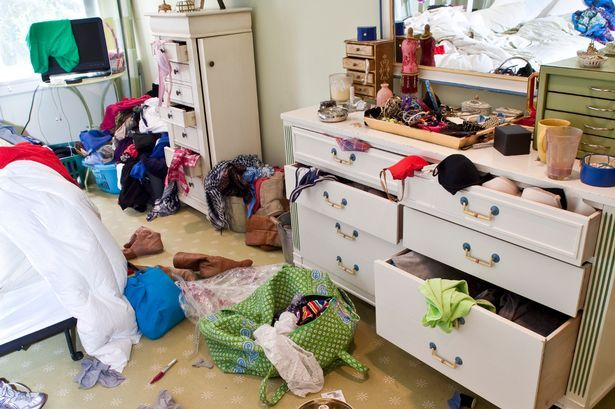
Organizing without decluttering first is basically just rearranging the problem. You’re not fixing the fact that you own more stuff than your apartment can reasonably hold — you’re just finding cleverer places to hide that fact for a little while.
My friend Priya moved into a 550-square-foot one-bedroom in Chicago last year and spent her first free weekend buying drawer dividers and over-the-door organizers before she’d unpacked a single box.
Three months later, every organizer was stuffed past capacity and she was back to piling things on the kitchen counter. When she finally sat down and decluttered — really decluttered, not just tidied — she donated four garbage bags of stuff and suddenly had empty drawers. The organizers she already owned were more than enough.
That’s the pattern I see over and over in small-apartment living: people treat storage as the fix for clutter, when storage is actually what clutter hides in. A smaller apartment doesn’t need more organizing products, it needs less stuff overall — organizing is just how you contain what’s left after that decision gets made.
Pro tip: if you keep buying storage solutions and still feel like nothing has a home, that’s usually a decluttering problem wearing an organizing costume. More bins rarely solve it.
Start With a Real Decluttering Checklist, Not Vibes
“Get rid of things you don’t need” is technically true and completely useless as advice, because nobody’s stuck because they don’t understand the concept — they’re stuck because deciding what counts as “don’t need” is genuinely hard in the moment.
Here’s the apartment decluttering checklist that’s actually worked for me and for people I’ve talked into trying it:
1. Pick one category, not one room.
Rooms are deceiving in an apartment because everything overlaps — your bedroom probably has books, papers, and miscellaneous chargers in it too. Instead, declutter by category: all your clothes at once, all your kitchen stuff at once, all your paperwork at once. You can’t make a good decision about your winter coats if you’re only looking at the three that happen to be in your hall closet and not the two more stuffed in a bin under your bed.
2. Touch every single item.

Not “glance at the shelf and decide the shelf is fine.” Physically pick it up. This sounds excessive for a studio apartment until you remember that a studio apartment is exactly the size where every item is competing for the same square footage, so the stakes on each one are actually higher, not lower.
3. Sort into four piles, not two.
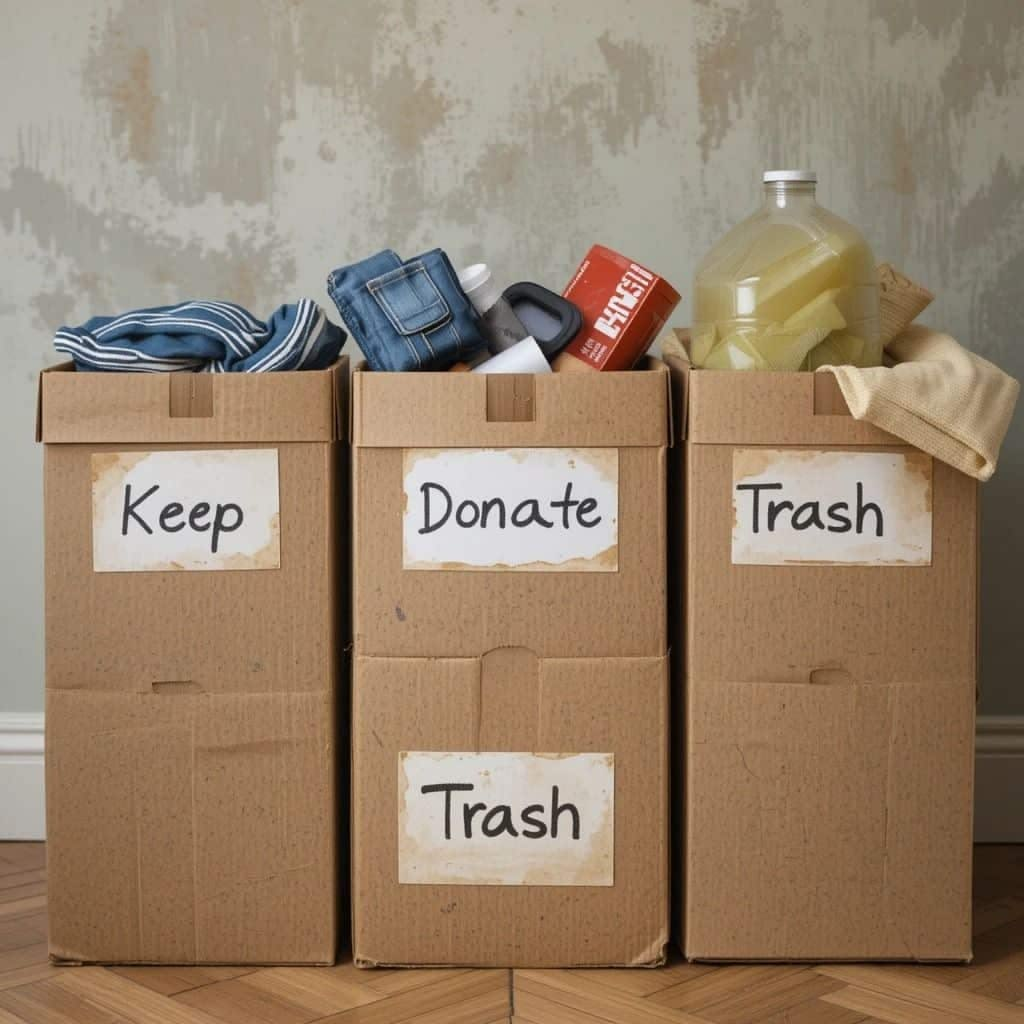
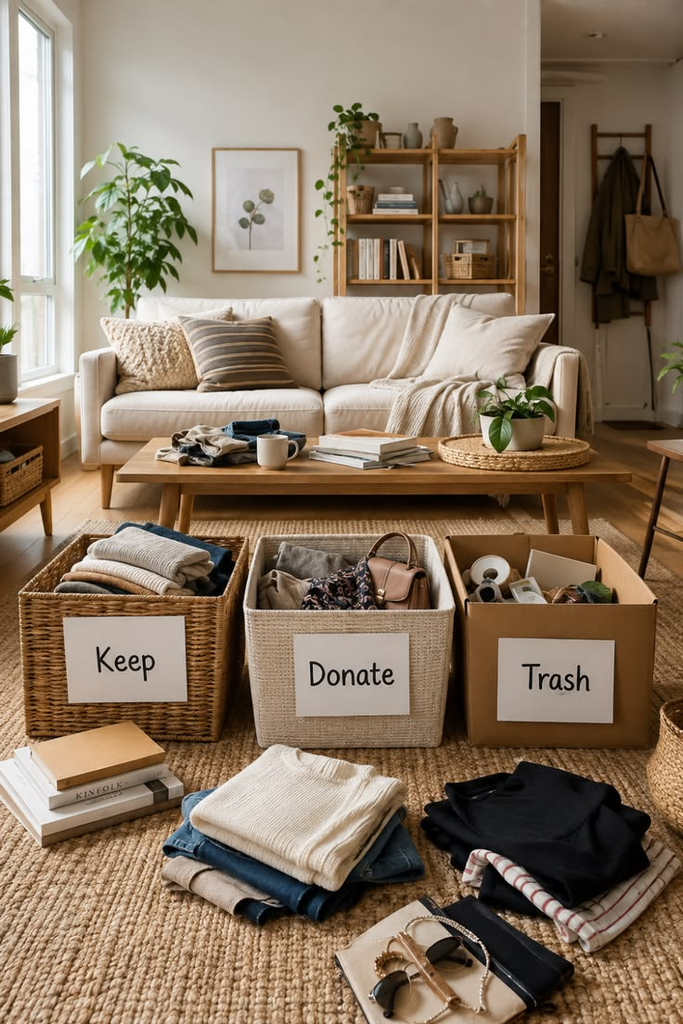
Keep, donate/sell, trash, and “not sure.” That fourth pile is the one every declutter guide skips, and it’s the one that keeps people from finishing, because you get stuck agonizing over the 15% of items that are genuinely ambiguous. Box up the “not sure” pile, date it, and put it somewhere out of the way — a closet shelf, storage unit, your parents’ garage if you’re lucky enough to have one. If you haven’t gone looking for anything in it after three months, you have your answer.
4. Do the sentimental stuff last.
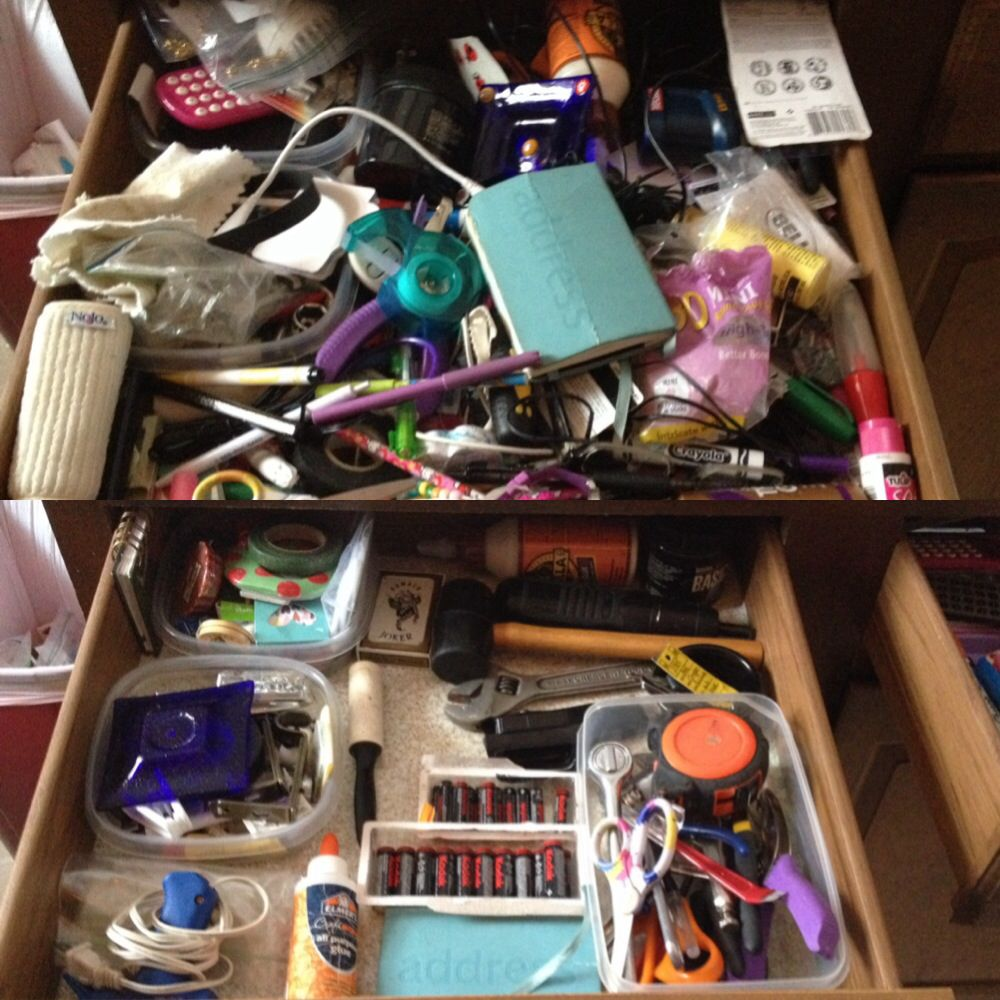
Every single time, this category takes the longest and derails momentum if you start with it. Do your bathroom cabinet and your junk drawer first so you build up some decision-making stamina before you hit the box of birthday cards from 2014.
Room-by-Room (and Category-by-Category) Breakdown for Apartments
The Closet: Where Most Apartment Clutter Actually Lives
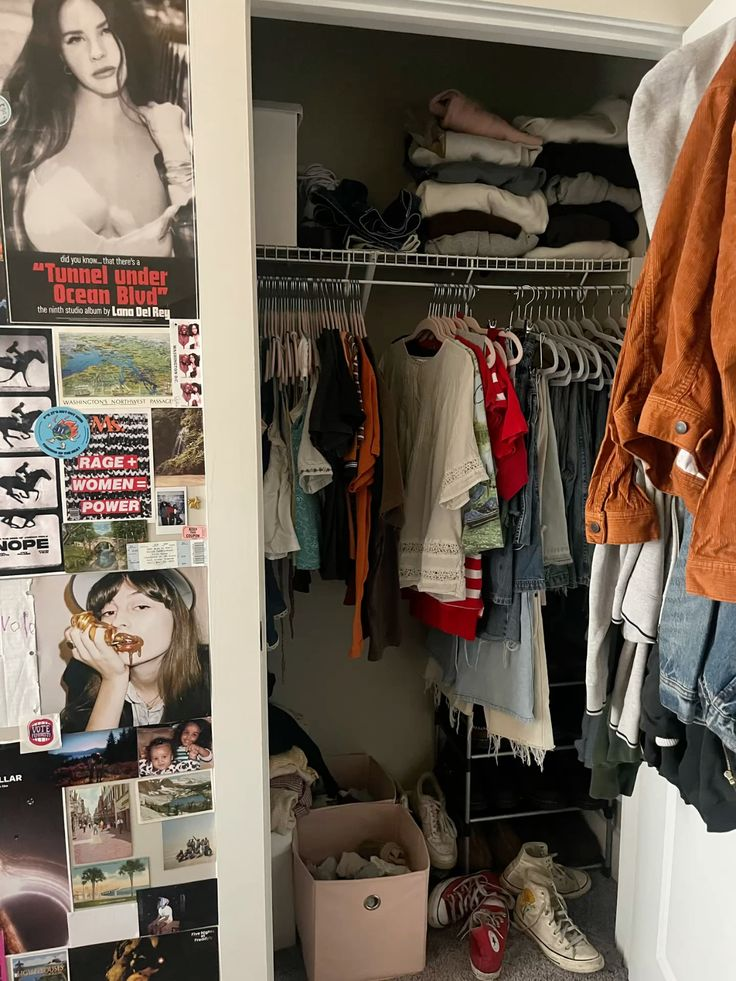
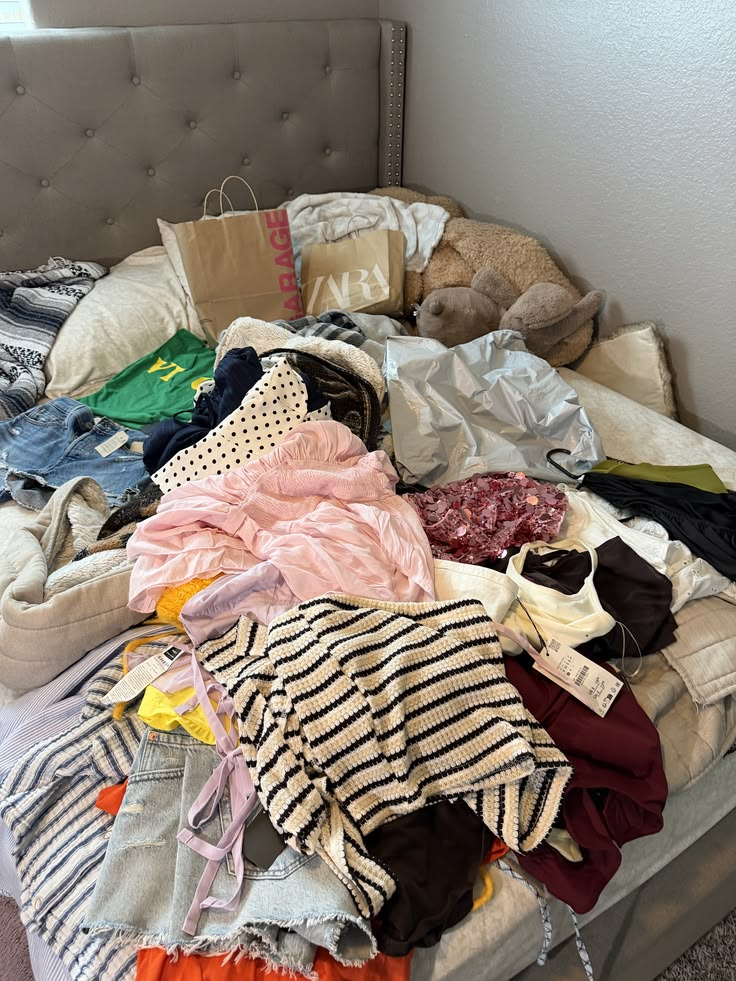
In a house, clutter spreads out. In an apartment, it concentrates — and closets take the brunt of it because they’re often the only enclosed storage you have.
The rule I actually stick to: if you haven’t worn it in a full year, including a full run through all four seasons, it goes in the donate pile — with exceptions for genuinely formal wear you only need once a year, like a suit for weddings.
I used to keep “maybe” clothes based on whether I liked how they looked on the hanger, which is a terrible metric, because almost everything looks fine on a hanger. The real test is whether you’ve reached for it.
Pro tip: if you’re debating a piece of clothing, try it on. Clothes that don’t fit right get skipped over in the closet every single morning even when they’re technically “fine,” and they’re quietly taking up hanger space that could go to things you actually wear.
The Kitchen: Duplicate Central
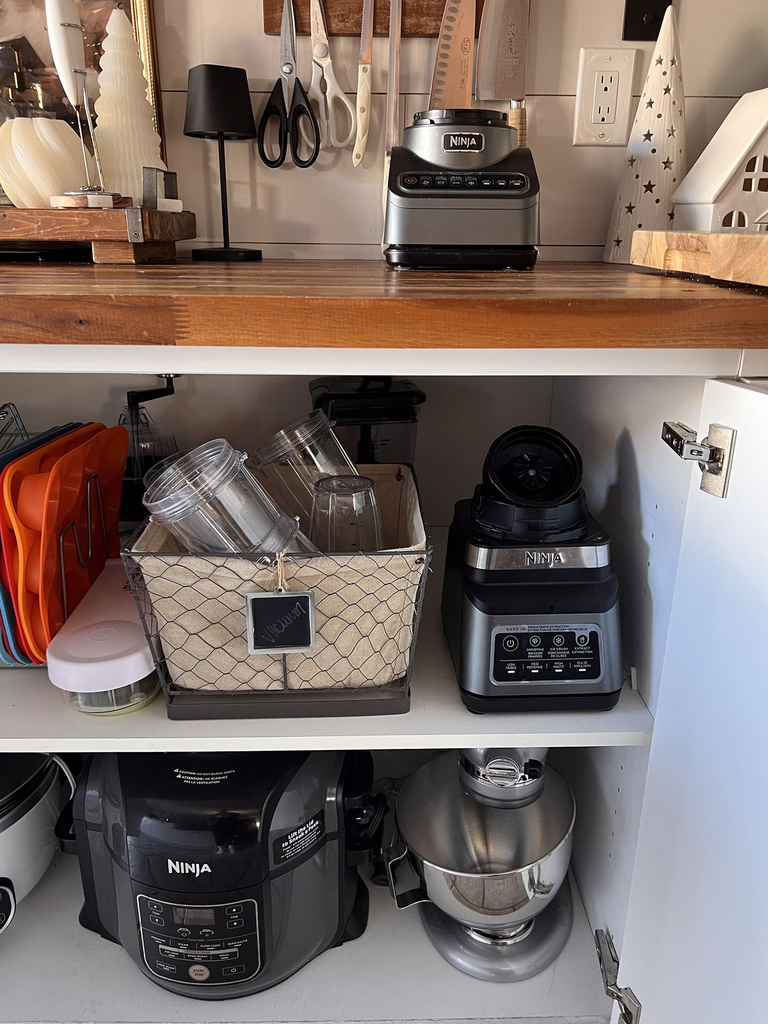
Apartment kitchens are small, which means duplicate items cost you disproportionately more space than they would in a house.
Go through and pull every duplicate — the second can opener, the extra set of measuring cups, the three tote bags you keep “just in case.” Keep one of each unless you genuinely cook for a crowd regularly.
Appliances are the other big one. That air fryer is only worth the counter or cabinet space it takes up if you actually use it more than a couple times a month — if it’s been living in the back of a cabinet since a birthday two years ago, it’s not decor, it’s clutter that happens to have a cord.
Paperwork and Papers: The Category Everyone Avoids
Paper is the worst category to declutter because it feels important even when it isn’t. Old bank statements, expired warranties, instruction manuals for appliances you no longer own — none of it needs to physically exist in your apartment. Nearly everything financial can be found again digitally if you actually need it, and instruction manuals live on manufacturer websites.
Keep: anything tax-related for the current and prior few years, your lease, ID documents, and anything with a signature that matters legally. Everything else can go.
Sentimental Items: Be Honest, Not Ruthless
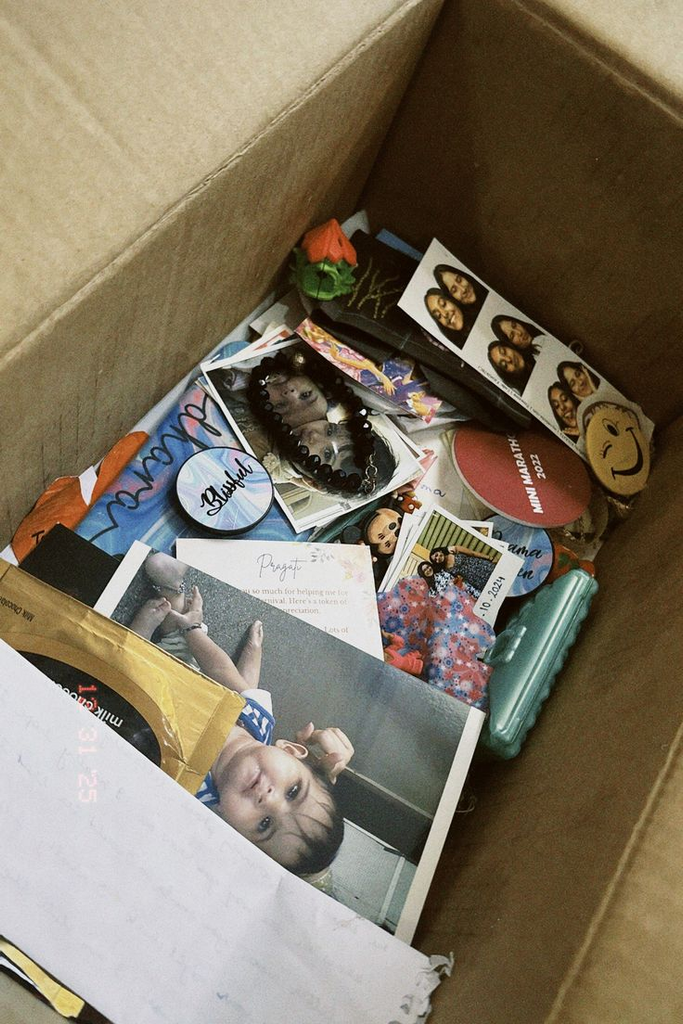
This is the one category where I’d push back on the “if in doubt, throw it out” advice you see everywhere. Sentimental items aren’t clutter in the same way a broken umbrella is clutter — they’re doing an actual job, which is holding a memory.
The goal isn’t to feel guilty about keeping them, it’s to be honest about how many you’re keeping and whether you’re storing them with any care or just letting them pile up loose in a drawer.
My rule: pick a container — a specific box, a specific drawer — and that’s your sentimental item budget. When it’s full, something new coming in means something old goes out, or it doesn’t come in at all. It’s not about a magic number, it’s about having a boundary at all.
Decluttering Methods, Compared
There’s more than one system for actually getting through a declutter, and which one works depends a lot on your personality and how much free time you’ve got in one stretch. Here’s how the main ones stack up for apartment living specifically:
| Method | How it works | Best for | Watch out for |
|---|---|---|---|
| KonMari (“spark joy”) | Go category by category, keep only what genuinely brings you joy | People who get emotionally stuck and need a clear filter | Can be slow — a full apartment can take weeks done properly |
| 90/90 rule | If you haven’t used it in 90 days and won’t in the next 90, it goes | Practical, non-sentimental people who want speed | Doesn’t work well for seasonal items (winter coats, holiday decor) |
| Box/closet method | Everything goes in a box for a set time; if unused, it’s donated unopened | People who can’t decide in the moment and need distance | Requires storage space for the box itself, which not every studio has |
| One-in-one-out | For every new item that comes in, one similar item leaves | Ongoing maintenance after an initial declutter | Doesn’t help with an existing backlog — it’s a maintenance tool, not a fix |
If I had to pick one starting point for a first-time apartment declutter, it’s the 90/90 rule for everyday categories (clothes, kitchen stuff, general household items) and the box method for the sentimental stuff you’re not ready to commit on yet. KonMari is great, but it’s a bigger time investment than most people moving into a new apartment actually have.
What to Do With Everything You’re Getting Rid Of
Decluttering an apartment usually produces more stuff than you’d expect, and figuring out where it goes matters — partly for your conscience, partly because a trip to the dumpster with six bags is its own kind of exhausting.
Sell: worth it for anything with real resale value — furniture, electronics, name-brand clothing in good shape. Facebook Marketplace works well for furniture specifically because you skip shipping entirely; local buyers just come pick it up. Expect to price around 40-50% of what you paid for anything gently used, less for anything older than a couple years.
Donate: for clothing, household goods, and books in decent condition. Most donation centers will do a pickup for larger items like furniture if you’re not able to haul it yourself, which is genuinely useful in an apartment building without easy street access.
Trash: genuinely broken or unusable items. Don’t donate things that aren’t donation-worthy just to avoid the guilt of throwing them away — it just becomes someone else’s problem to dispose of.
Recycle: paper, cardboard, and anything else your building’s recycling program actually accepts — worth checking, because apartment recycling rules vary a lot more than people assume.
Now You’re Ready to Actually Organize
Once you’ve decluttered — genuinely decluttered, not just tidied around the edges — organizing gets a lot simpler, because you’re not trying to force too much stuff into too little space. You’ll probably need less storage than you think, which means fewer bins to buy, not more.
If I were starting over in a new apartment tomorrow, I’d give myself one full weekend for decluttering before I bought a single organizer — no exceptions, no “I’ll just get this one thing to hold me over.” The apartment I have now stayed organized for over a year with almost none of the maintenance my old place needed, and the only real difference was doing this part first instead of skipping straight to the fun part.

Leave a Reply